Why Museums Feel Intimidating
Written by Eleanor McNamara
Edited by Gabriel Martinez-Amezaga
Imagine walking into a museum gallery filled with beautiful paintings, ancient artifacts, and carefully carved sculptures. The room is dead silent as visitors admire the art, and the soft scuffle of shoes can be heard as people shuffle from one exhibit to another. You approach a painting and try to gather meaning, doing your best to interpret what the artist intended. An especially endearing aspect of art is that a viewer can spend hours studying a single work of art, and it can be interpreted in many ways depending on prior knowledge and life experience. For some, this experience feels exciting and an opportunity to learn about new and abstract ideas. However, for others, this type of museum environment can feel intimidating, and they may worry they are acting as “posers.” These visitors may feel that they do not have the background needed to understand the artwork. Researchers study these differing mentalities toward museums through the concept of cultural capital and the museum effect.
Pierre Bourdieu, a prominent French sociologist focused on power imbalances, identified four forms of capital — economic, social, cultural, and symbolic — through which individuals accumulate power and advantage. These forms of capital are all interconnected. For example, individuals with high social capital possess valuable social networks and connections to influential people, which commonly translates into economic capital. Huang (2019) provides an example of this in China, where there is often a long queue to see a doctor and it is expensive. However, if an individual can phone a friend who works in the medical field, they save both money and time.

Photo of Pierre Bourdieu from ThoughtCo. Curated by Madelyn Rhodes (mgr84@cornell.edu).
Cultural capital, however, is defined as “a form of value associated with culturally authorized tastes, consumption patterns, skills and awards. Within the field of education, for example, an academic degree constitutes cultural capital” (Huang, 2019). Simply put, cultural capital refers to the knowledge, skills, and assets that signal high social status. Huang also discusses the objectified state of cultural capital, in which objects such as books and paintings are seen as a form of cultural capital. Since cultural capital is directly related to the other forms of capital, the wealthy and well-connected often have drastically more cultural capital compared to their peers.
This concept can help explain why some individuals feel more comfortable in museums than others. People who come from a wealthier background and were exposed to this objectified state of cultural capital may feel more comfortable interpreting and discussing artwork due to prior knowledge. Additionally, well-connected individuals may be more accustomed to discussing art within social settings, as it may be a common topic of conversation within their social circles.
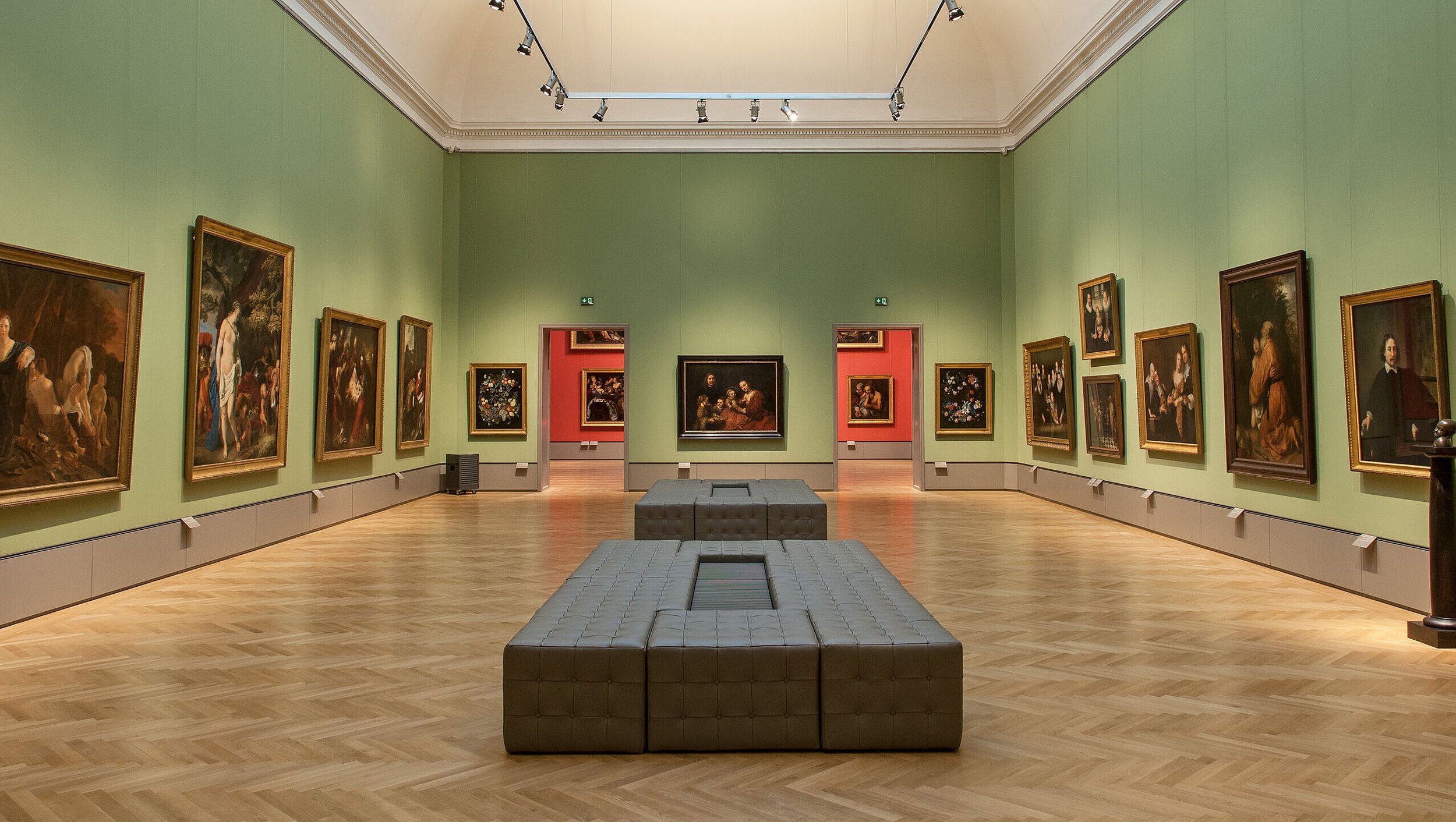
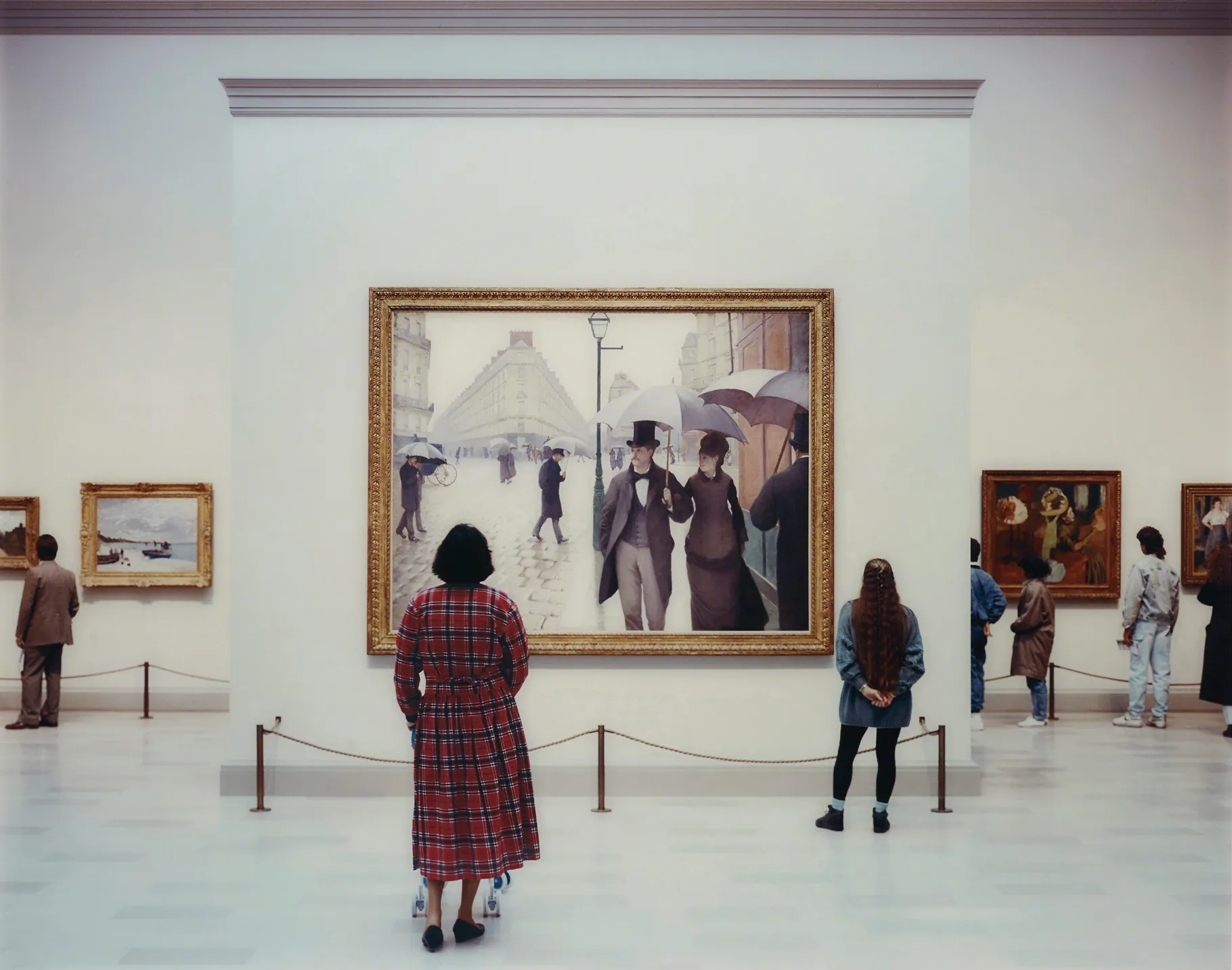
Photo from the Herzog Anton Ulrich Museum (left) and Artsy Editorial (right). Curated by Madelyn Rhodes (mgr84@cornell.edu).
Moreover, the museum effect can exacerbate the feeling of intimidation and uncertainty for individuals within a museum setting. The museum effect is how “the very placement of the object within the museum creates its importance and validity” (Casey, 2003). Viewers often perceive artworks as more valuable or meaningful solely because they exist within the museum. This can make visitors believe that special knowledge is required to understand an object, which may increase feelings of unfamiliarity within the museum environment.
At Cornell University and nearly every other university, academic research may often feel like the museum environment. Research feels intimidating and as if interpretation requires previous academic knowledge of a subject to many students. Furthermore, research articles are often written with academic lingo and technical, concise language, which makes it inaccessible for a general audience. At the Cornell Undergraduate Research Magazine, we aim to make research more accessible by translating these complex studies into a language that a broader audience can understand. When knowledge becomes more accessible, whether in museums or through research, curiosity can replace intimidation and many more people access knowledge and engage with new ideas.
Eleanor McNamara ‘28 is in the School of Industrial and Labor Relations. She can be reached at ecm259@cornell.edu.