Poor Earthquake Relief: Is the US Responsible?
Written by Anthony Tannous
Edited by Julia Xu
International humanitarian aid organizations are at the front lines of wars, natural disasters, and local political unrest, providing medical care to victims overseas. While private nonprofits like Doctors Without Borders (MSF) are capable of providing these services to developing nations globally, government-funded organizations like the International Medical Corps (IMC) and International Rescue Committee (IRC) receive more reliable funding from international grants and thus provide a higher volume of medical dispatch in times of crisis. The United States and European Union preside over a majority of these funds, and so, when these governments gut funding, the impact is felt worldwide.
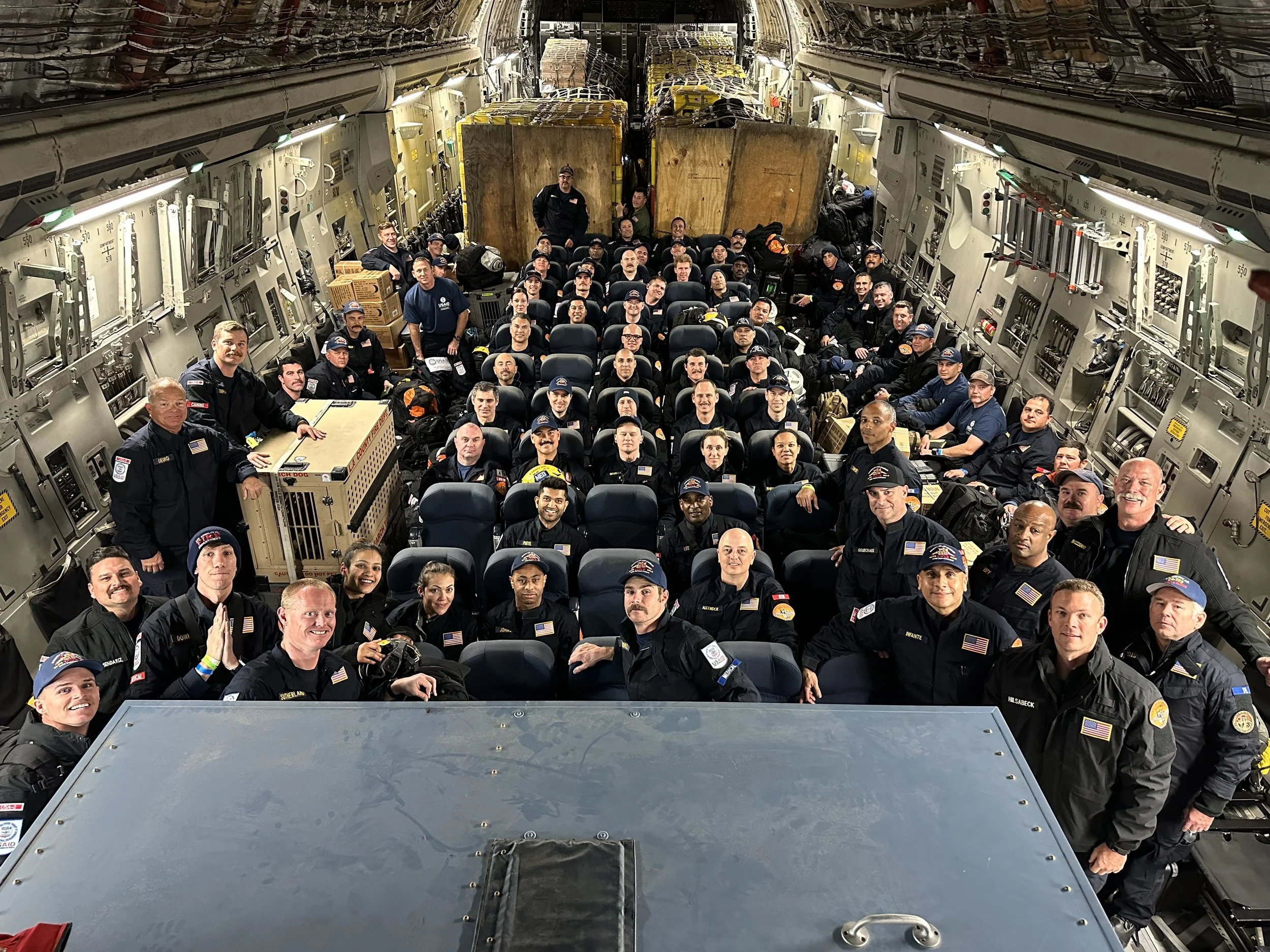
(Left) USAID-supported urban search-and-rescue personnel and their equipment aboard a U.S. Air Force aircraft during the 2023 Türkiye earthquake response. Photo courtesy of USAID via Wikimedia Commons; public domain.
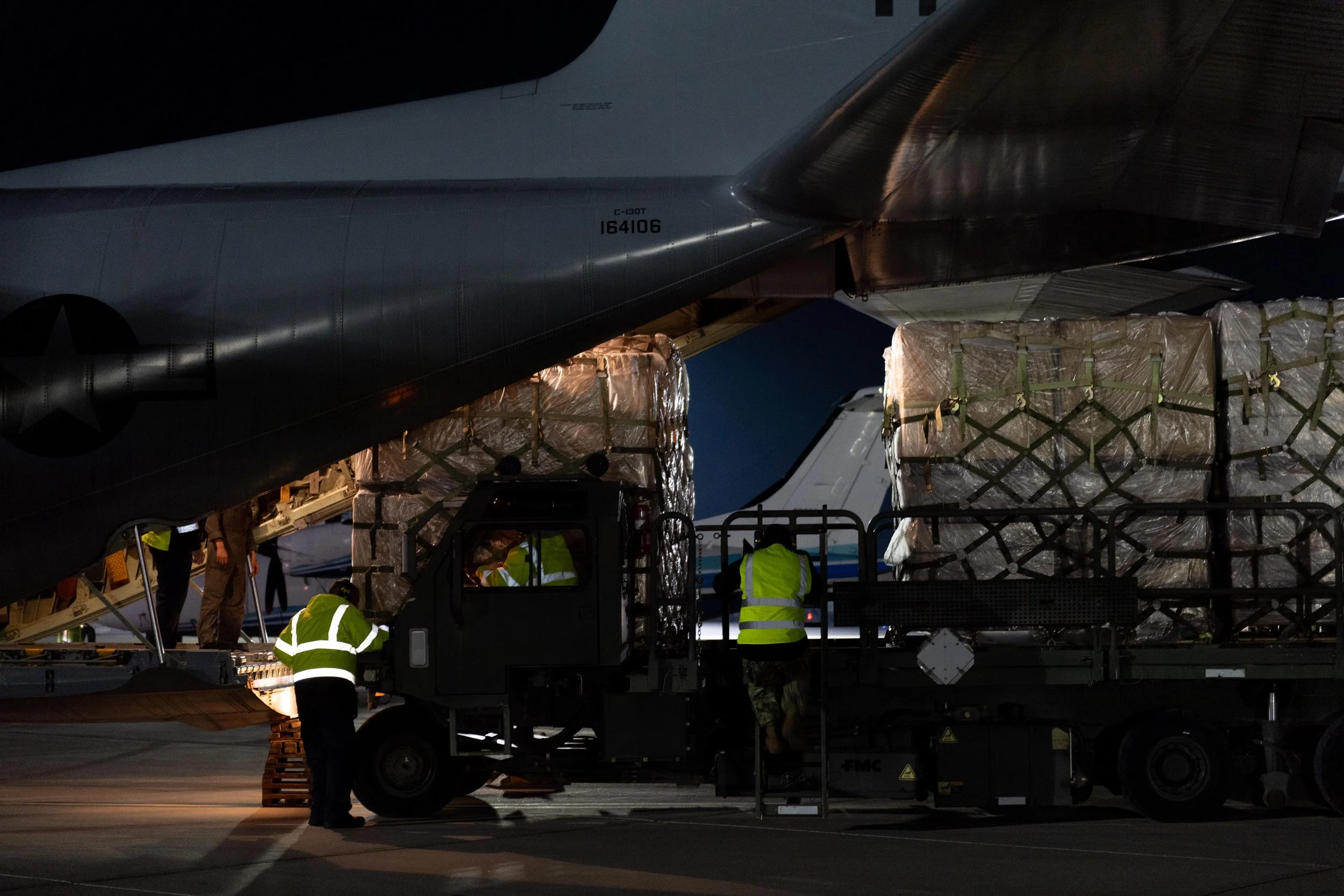
(Right) Personnel unload humanitarian supplies from a U.S. military aircraft during USAID-supported earthquake relief operations in Türkiye in 2023. Photo by Nicholas S. Tenorio/U.S. Navy. Courtesy of Wikimedia Commons; public domain.
Curated by Gayatri Sathyanarayan (gs778@cornell.edu).
Immediately after US president Donald Trump was ushered into the presidential suite at the White House in January 2025, his administration signed an executive order to dismantle the US Agency for International Development (USAID). The organization oversaw budget cuts of nearly $29 billion, a 56% decline from its funding in 2024. Within only three months of the executive order's signing, it was found to increase the severity of short-term crises in Latin American countries, including political instability between guerilla groups, the outbreak of regional disease, and drug abuse. Illegal commerce and drug circulation between countries in North and South America soared, with surges uniquely observed in illegal transport into the US. The resultant political situation creates a clear incentive to re-establish funding for relief organizations in Latin America and prevent criminal activity from spreading to the US, and yet the federal government has yet to ameliorate these budget cuts.
The US’s oversight in foreign policy wrought unintended but nonetheless detrimental consequences for the amount of relief sent to Venezuela and Colombia following their earthquakes in June and August of 2026, respectively. Colombia’s earthquake in Choco, reaching 7.5 in magnitude, killed 335 victims and left 4,600 injured. Although Venezuela’s earthquake was similar in magnitude, its epicenter was just west of Yaracuy’s state capital, San Felipe, so the urban area experienced over 6,500 deaths and thousands injured, buried, or missing. The preventable casualties from these earthquakes can be pinned to several sources of instability, including the US’ coup-d'etat of former Venezuelan president Nicolás Maduro, whose deposition from power dismantled several disaster response programs. However, USAID’s rollback severely delayed international response. After a clarion call from critics to restore relief aid to Venezuela, the US government sent 300 million in relief, but the effects of dissolving the USAID program were still widely felt by the victims of the earthquake. Hundreds remained missing under rubble in each incident, and many injured victims went without lifesaving medical intervention for over 48 hours. This tardy disaster response, followed by a retroactive restoration of funding by the US, repeated itself with Colombia nearly two months later.
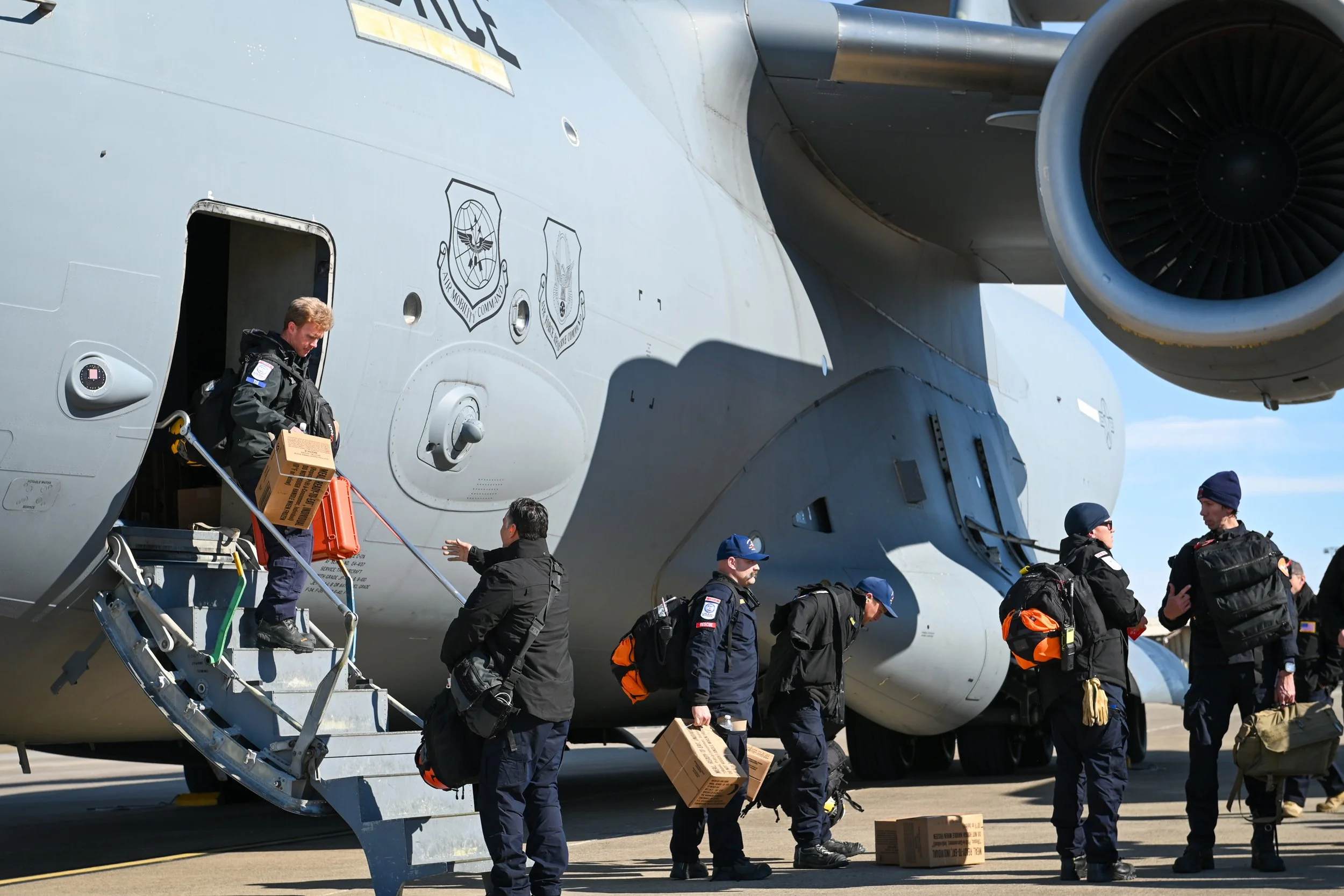
(Left) Air Force C-17 Globemaster III aircraft after arriving at Incirlik Air Base, Turkey, Feb. 8, 2023. Air Force Senior Airman Joshua T. Crossman, Public domain.
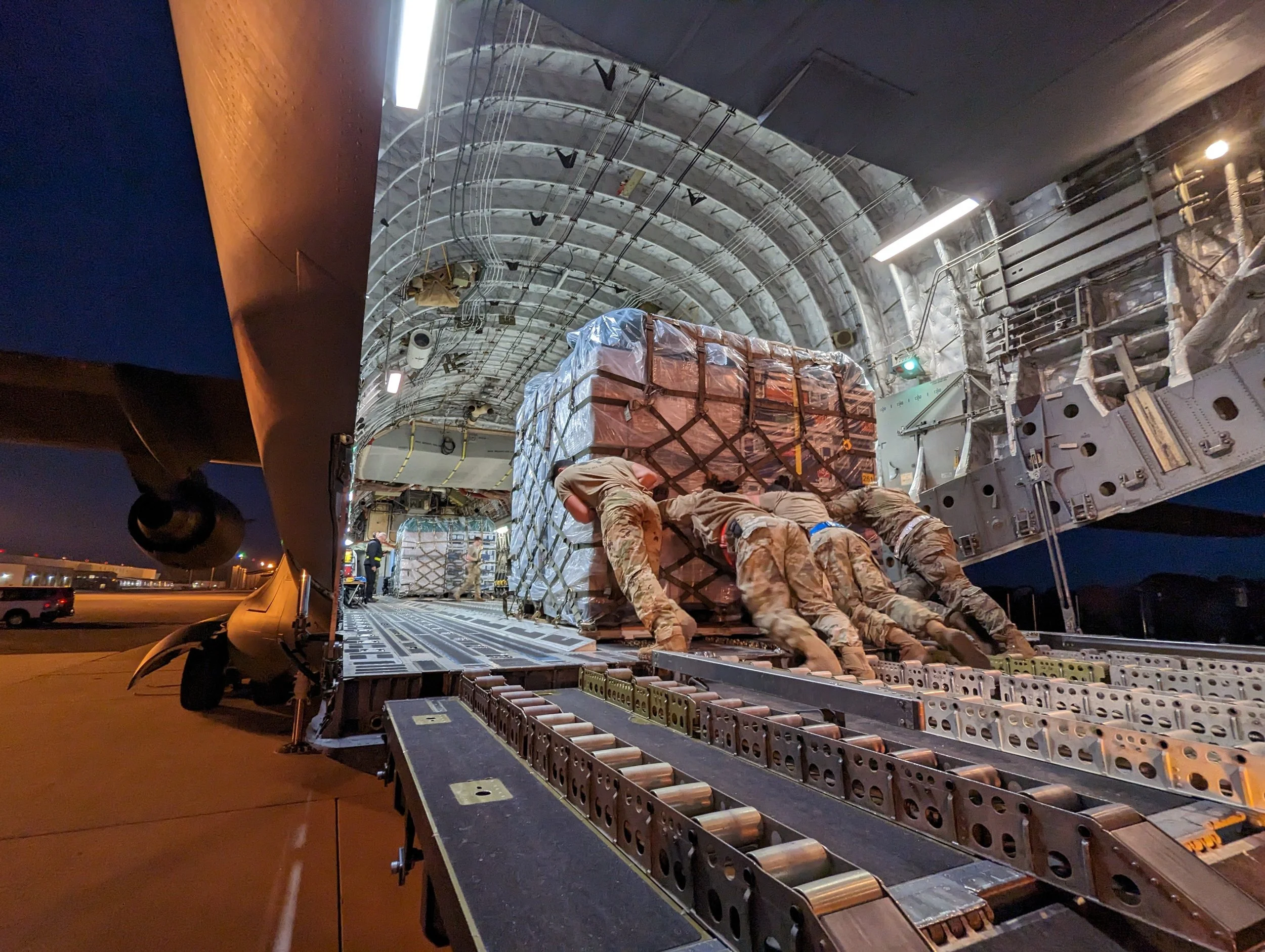
(Right) U.S. personnel load pallets of equipment aboard an aircraft for USAID-supported urban search-and-rescue operations following the February 2023 Türkiye earthquakes. Photo courtesy of USAID; public domain.
Curated by Gayatri Sathyanarayan (gs778@cornell.edu).
With international medical provisions backlogged over a period of days, these two earthquakes set a jarring precedent for the consequences of delayed relief overseas. With special relevance to the earthquake in Venezuela, these disasters both highlighted the necessity of an internationally concerted response in administering medical dispatch and elucidated the limitations of private organizations like MSF in administering medical dispatch without government subsidies. However, these events do not only concern those affected overseas: allocation of funding to US healthcare providers is an issue pertinent to the availability of services provided by teaching hospitals, medical schools, and research institutions to provide both educational and clinical resources. The very direct link between disastrous policy choices at the federal level is a burden carried by physicians, nurses, and first responders worldwide.
Anthony Tannous ‘29 is a Chemistry & Chemical Biology & Biological Sciences double major in the College of Arts and Sciences. He can be reached at agt58@cornell.edu.