Telehealth and Remote Medicine: Has Healthcare Become Artificial?
Written by Anthony Tannous
Edited by Claudia Reines
The COVID-19 pandemic permanently distorted the relationship between doctor and patient. Primary care providers grew accustomed to administering treatment across the sacrosanct six-foot social distancing protocol, and patient paranoia rose as the frequency of routine check-ups plummeted. Even though these numbers have recovered since, the rift between doctors and their patients still lingers, and the disconnect generated unprecedented demand for innovations in virtual healthcare, namely telehealth.
Telehealth represents the broad class of virtual services available to patients, varying from therapy to surgical care, and its activity predates the pandemic. Initially intended to improve medical accessibility for remote areas, telehealth appointments were popularized by physicians to resolve a decline in visits primarily observed among those with anxiety, mental disorders, and pre-existing conditions. After 2021, over 80% of physician offices and over 20% of Urgent Care providers offered virtual appointments. However, the effort to lift barriers for patients raised new barriers for physicians. Most telehealth calls are conducted across state lines or from metropolitan cities to rural areas, and as such, physicians require licenses to practice in both their district and the patient’s. Above all, practical issues are the obvious concern for the quality of virtual physical examinations and how well a physician can assess a patient’s symptoms.
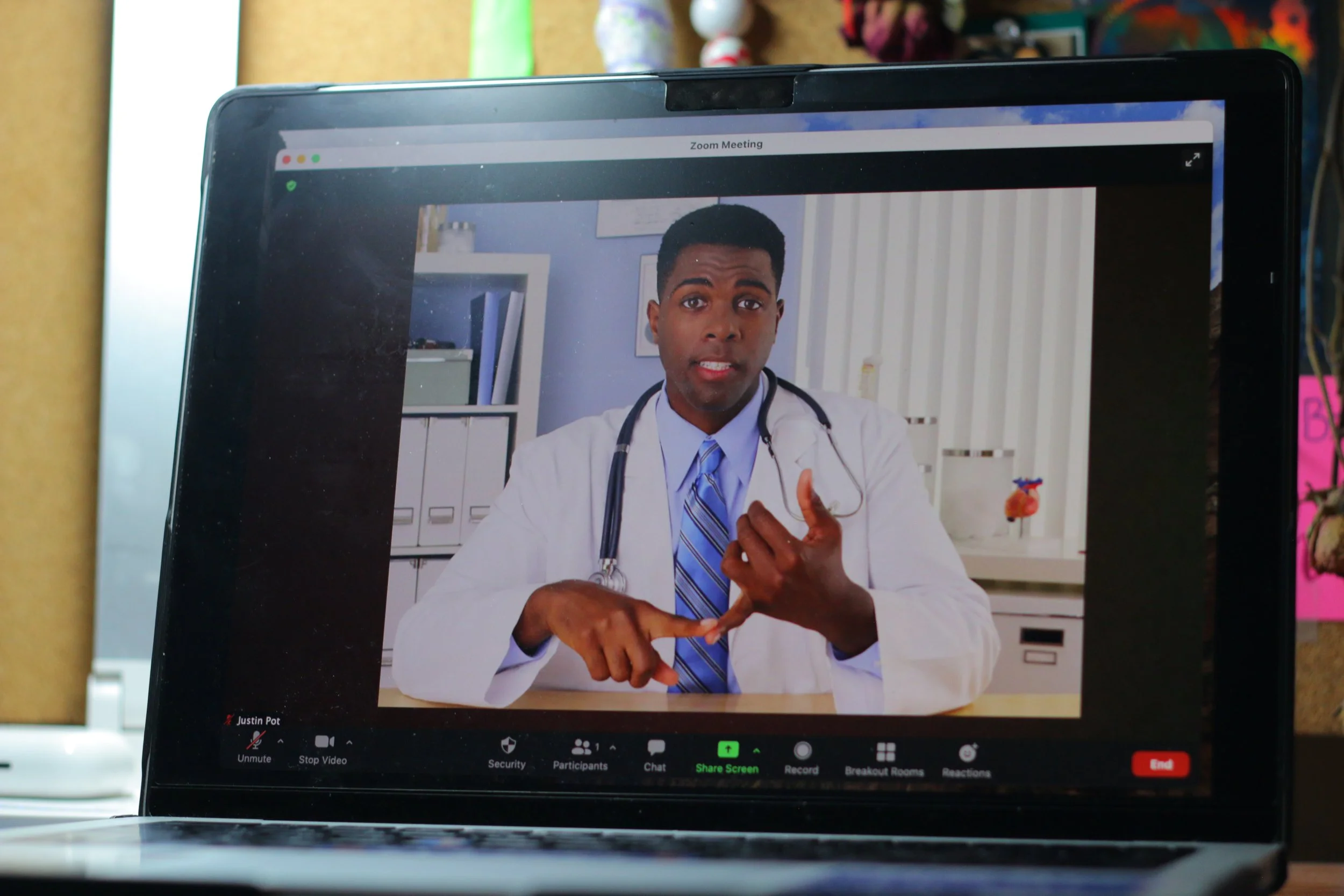
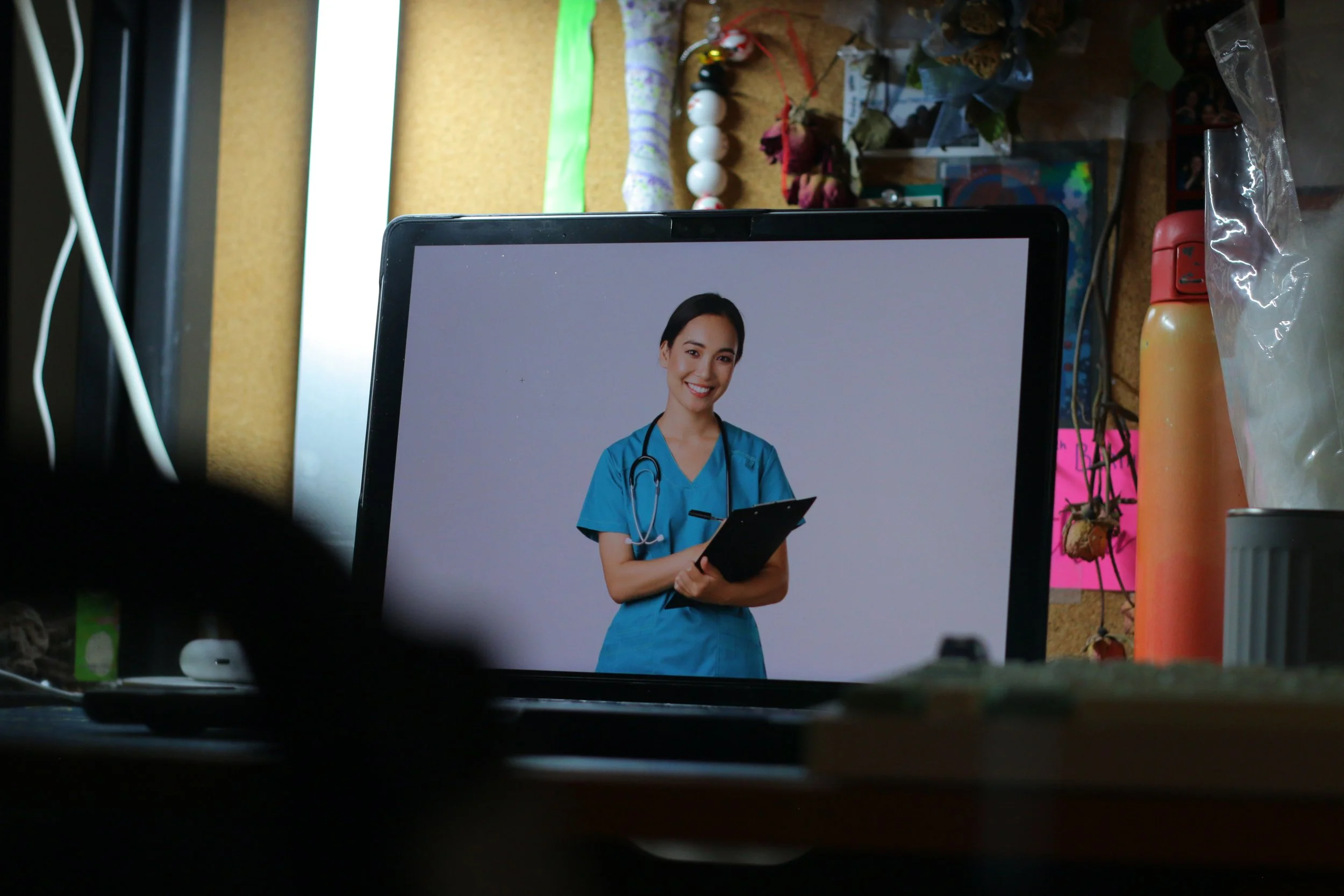
Photos taken by EllaRose Sherman (eks92@cornell.edu).
All these issues culminated in a recent lawsuit against Yale New Haven Health, alleging that University of Connecticut dental student Connor Hilton died in 2024 due to the negligence of the Milford tele-ICU. After being admitted for alcohol withdrawal, Connor was transferred to their telehealth intensive care unit at midnight when he experienced an alarming dip in blood pressure. With no physician on-staff, nearly a 10-minute delay ensued as a doctor in a neighboring wing of the hospital had difficulty locating him. His transfer to the ICU was not communicated to his parents as required by YNHH’s policy, and upon being admitted, his care was not handed off to a new specialist.
Connor’s tragic passing in 2024 and his family’s subsequent lawsuit have resurfaced on major news outlets like CNN and NBC today. When the story made headlines, his death not only raised concerns about YNHH’s medical malpractice, but it encompassed the many issues grown from the transition to digitalized medicine. For example, as a solution to the physician shortage, medical centers have switched to using digitalized systems to speed up patient check-ups. If a standard dosage for a drug is recommended by the facility’s software, physicians are likely to prescribe the default amount out of convenience rather than considering the severity of a patient’s symptoms and adjusting accordingly. The incorporation of AI into diagnostics tests poses another threat to one-on-one interaction from medicine and may also reinforce medical bias against marginalized demographics.
Although remote medicine and AI both show promise for future use, their current implementation must overcome the public fear brought out by cases like Connor’s death. Both show immense promises for remediating medical inaccessibility to rural and low-income areas, but much progress needs to be made before their widespread implementation.
Anthony Tannous ‘29 is a biological sciences major in the College of Arts and Sciences. He can be reached at agt58@cornell.edu.