Methane Digesters Create a Better Path to Animal Sustainability
Written by Matthew Lane
Edited by Aaryan Pugazendhi
Every year the total domestic population of animals produces 14.5% of greenhouse gas emissions globally. With the current looming climate crisis, there is a significant need to reduce carbon emissions from every possible source , and at our current trajectory, if we want to reach net zero emissions of greenhouse gasses we will need to reduce our total carbon emissions by 50%. Although this amount is a lot more than what animals alone produce, helping cut down on the greenhouse gasses produced by animals can help us inch closer to our goal. One way to reduce emissions from agriculture, while also harvesting energy, is anaerobic digestion.
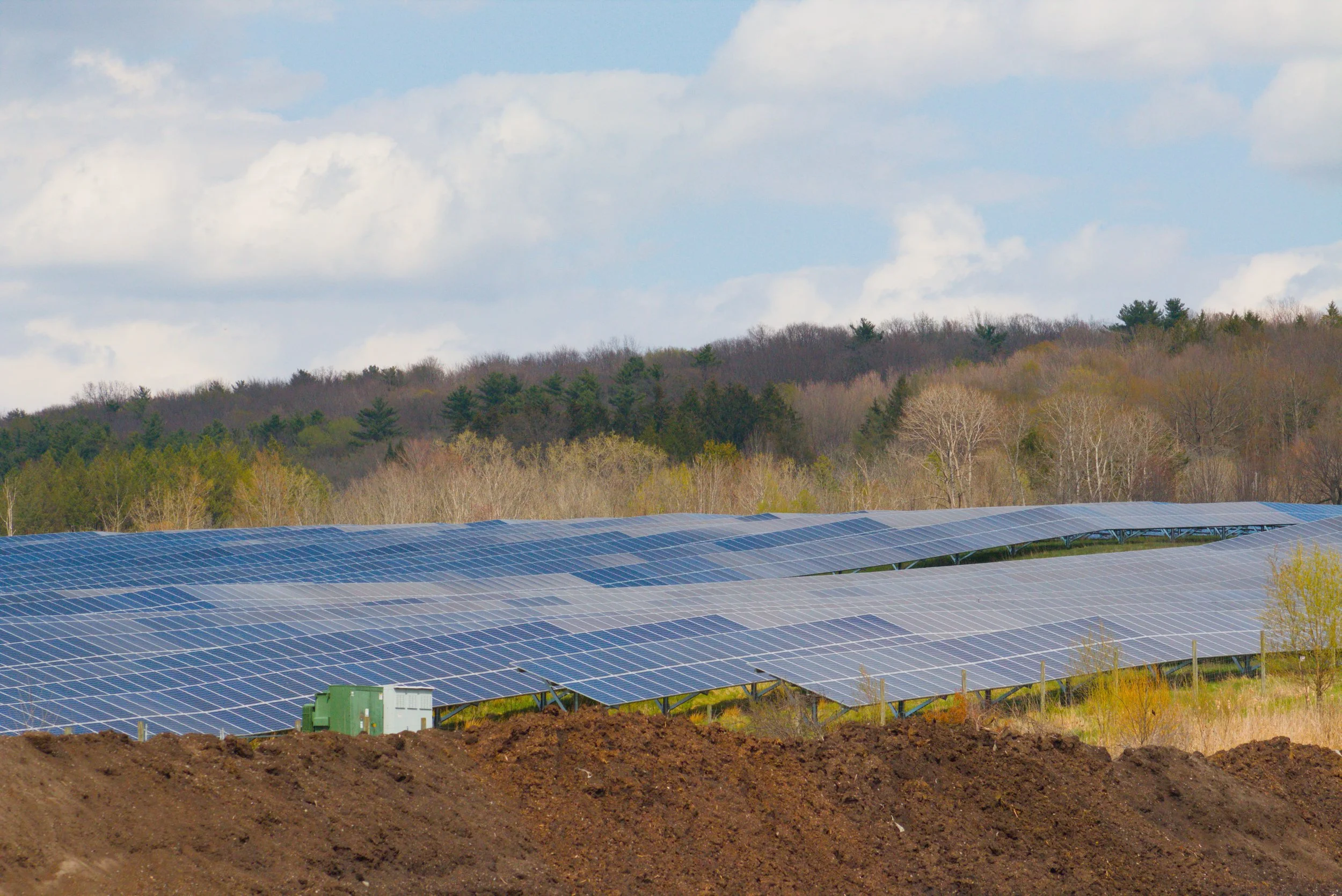
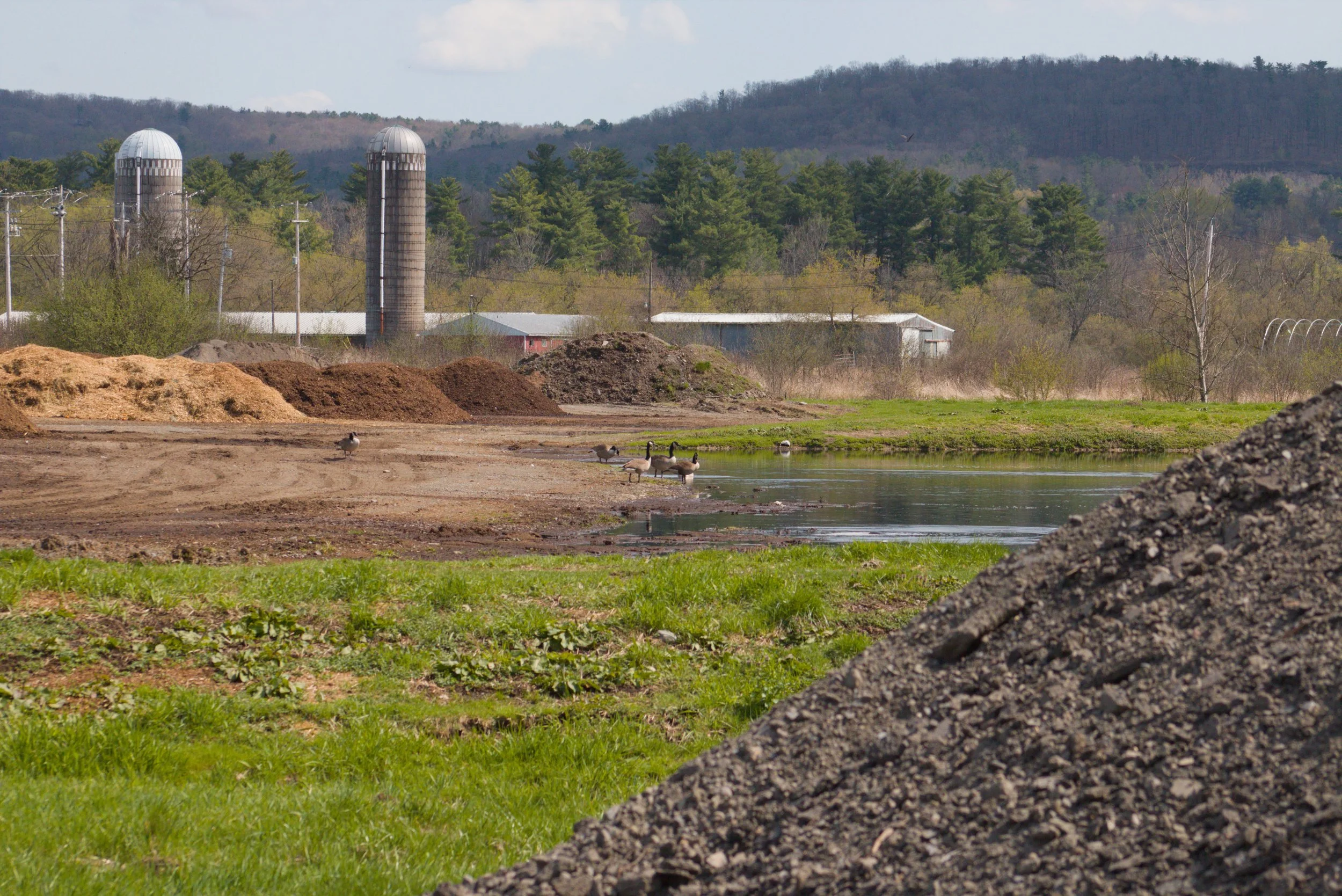
Photos taken by EllaRose Sherman (eks92@cornell.edu).
In anaerobic digestion, waste is placed into a device called a digestor. These devices use anaerobic microorganisms to digest organic waste and release products like natural gas, which can then be stored and harvested for later use. The benefits of these systems are twofold: it allows for disposal of organic waste, and it also harvests and contains the byproducts of waste to provide alternative means for energy production.
So how do these systems work? One study in South Africa looked at how horse manure, a hard to dispose of waste, could be broken down by digesters and made into a green energy source! In a country like South Africa where coal is the primary source of energy, developing sources for alternative forms of energy such as biogas proves to be a useful tool in the fight against climate change. Further, the hard to dispose of nature of horse manure leads to the waste itself having its own environmental concerns that the digester helps address.
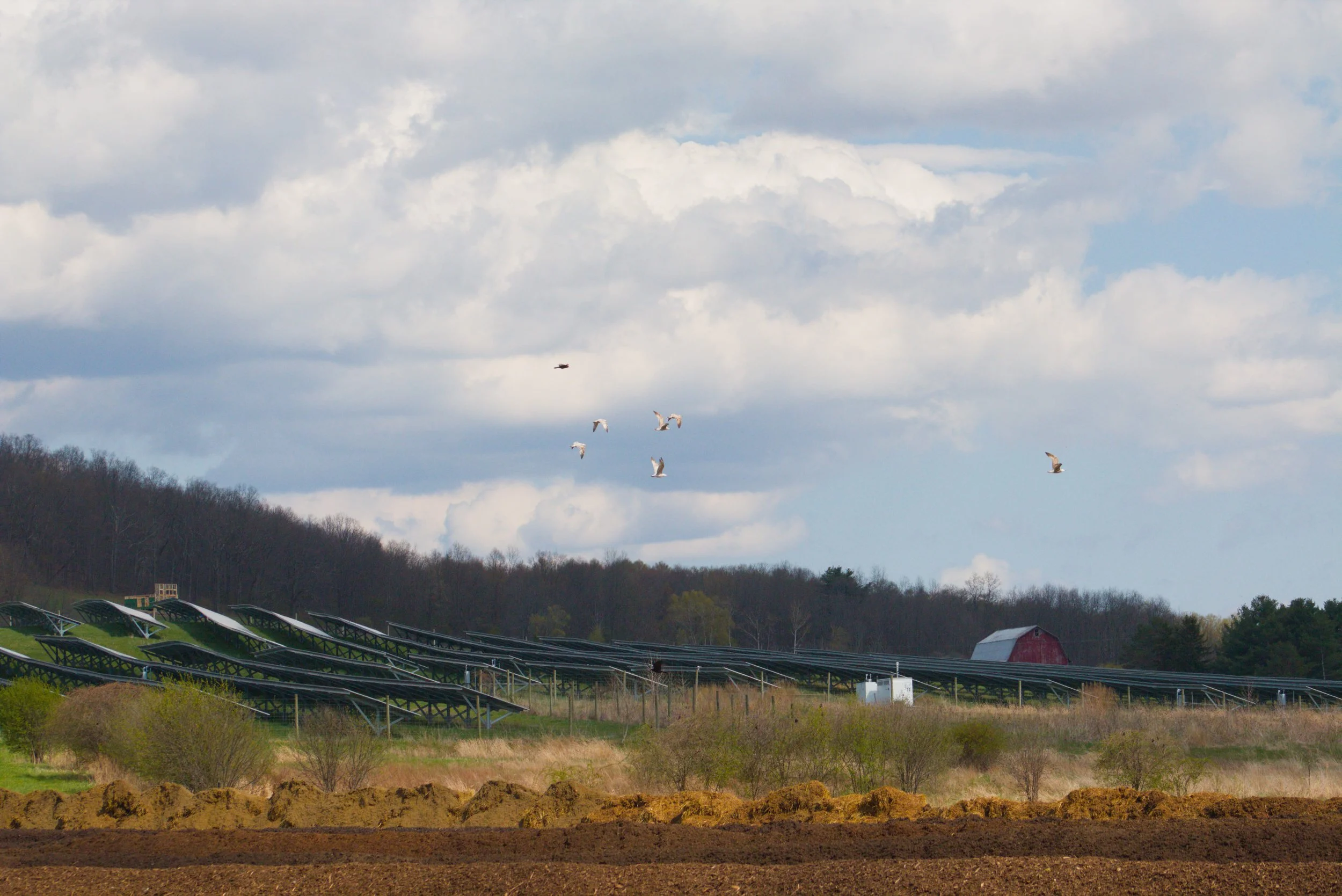
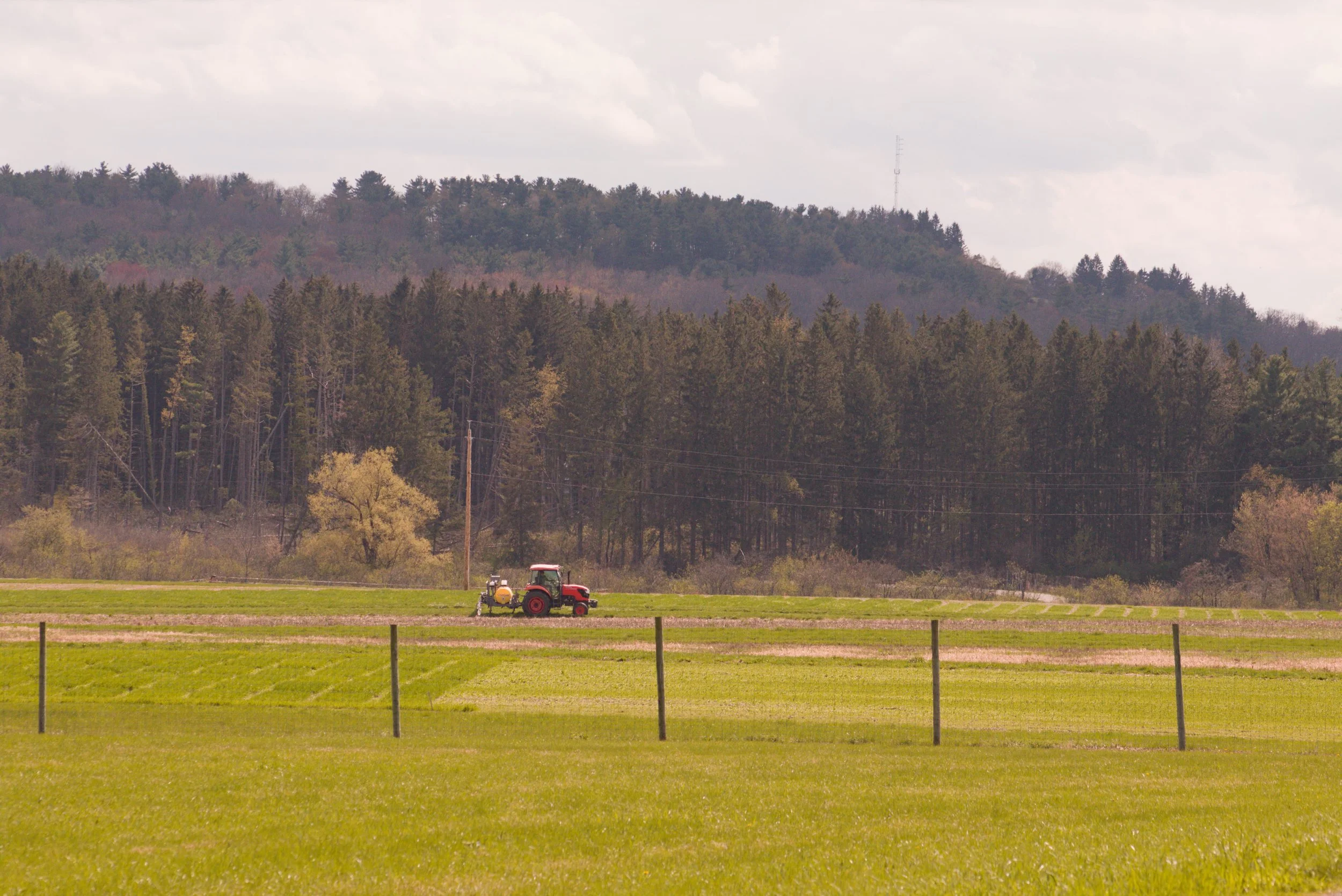
Photos taken by EllaRose Sherman (eks92@cornell.edu).
Once harvested, the biological waste is processed within the digester and microbes convert the horse manure into biogas, but just as important is what is done with the biogas after it is harvested. In a study hosted by the EARTH Center in Johannesburg, South Africa, they figured out that some of the center's most energy-intensive systems, specifically heating and cooling, could be powered with biogas. This, when supplemented with solar power, helps create a place that is energy efficient and contributes as little of a carbon footprint as possible. So, when scaled up to larger agricultural operations such as dairy farms or large animal production operations, which produce plenty of waste, a methane digester can be a great tool to both save the planet and produce energy!
Matthew Lane ‘27 is in the College of Agriculture and Life Sciences. He can be reached at mdl275@cornell.edu.
Sources:
[1] Blaustein-Rejto, Dan, and Chris Gambino. 2023. “Livestock Don’t Contribute 14.5% of….” The Breakthrough Institute. https://thebreakthrough.org/issues/food-agriculture-environment/livestock-dont-contribute-14-5-of-global-greenhouse-gas-emissions.
[2] Rashama, C., Matambo, T., Mutungwazi, A., Riann, C., & Nhamo, G. (2025). Harnessing Horsepower from Horse Manure at the EARTH Centre in South Africa: Biogas Initiative Improve the Facility’s Operational Sustainability. Energies (19961073), 18(7), 1808. https://doi.org/10.3390/en18071808
[3] Stanford Woods Institute for the Environment. 2019. “A roadmap to reducing greenhouse gas emissions 50 percent by 2030.” Stanford.edu. https://sustainability.stanford.edu/news/roadmap-reducing-greenhouse-gas-emissions-50-percent-2030.