Do Prelims Have You Overwhelmed? Physical Activity Can Turn Your Frown Upside Down!
Written by Matthew Lane
Edited by Aaryan Pugazendhi
We all know the feeling: you are a few weeks into the semester, and suddenly the mad rush of exams, assignments, and busywork characteristic of the Cornellian experience begins. Just by walking past the lobby of any library, it is apparent that the sheer density of work and pressure students are put under has a massive impact on the mental health of many Cornellians. The concept of ‘prelim season’ weighs especially heavily on STEM majors on campus, and there is a sense of despair across campus that is hard to escape. Some reports list Cornell as the sixth most depressed college in the United States [1]. This information, paired with the tangible sense of stress present across campus, creates a breeding ground for mental health crises, which can derail students' academic, social, and emotional experiences during some of the most formative years of their lives.
However, research suggests that there may actually be an accessible treatment that can help reduce expression: exercise! In a study conducted across a wide array of universities across South America, researchers looked to see if physical activity reduced symptoms of depression amongst graduate and undergraduate students. In the study, researchers used patient questionnaires to gauge depressive symptoms among their subjects. Scores about the levels of physical activity the subjects took part in were also taken to best illustrate the relationship between physical activity and mental outcomes. Scores regarding “substance use, diet, sleep, social support, stress management, and screen time” were also considered for confounding factors that could influence depressive symptoms [2].

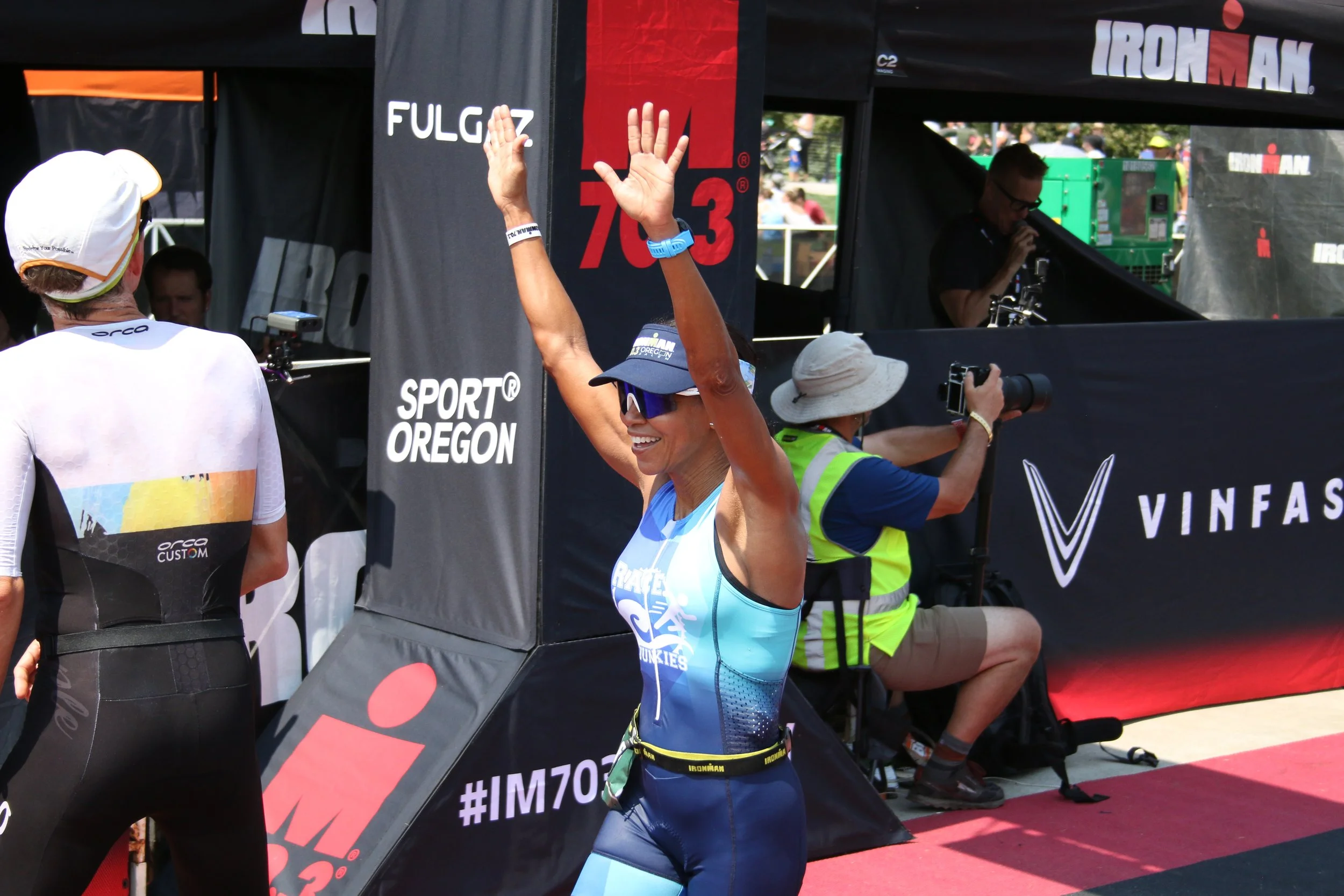
Photos taken by EllaRose Sherman (eks92@cornell.edu).
The study found that physical activity has a very pronounced effect on reducing symptoms of depression in college-aged adults. Further, in students who score low on diet and stress management, things that most college students do not do well, the positive effects of physical activity are even more pronounced. Physiologically, it is believed that physical activity can increase blood flow to the brain and neuroplasticity, which translates into better intake of information and thus reduced time spent studying [3]. Finally, physical activity increases the release of endorphins and serotonin, neurotransmitters that make people feel pleasure.
So, the next time prelims make you feel down, I have a few suggestions that could help you feel better. While it may be tempting to stay glued in librear seats for hours, Cornellians should try to budget time for working out. Going on something like a 20-minute walk or run, or doing a quick workout could make the difference between you perceiving your day as a bad day, a good day, or a great day! Plus, with an increase in neuroplasticity you also may need to spend less time working on studying for your exams, which can give you more time to spend with your friendsor doing other activities that can also make you feel better. So, take some time to get some fresh air and exercise, touch some grass if you will, and it might make your day and your exam performance a little better.
Matthew Lane ‘27 is in the College of Agriculture and Life Sciences. He can be reached at mdl275@cornell.edu.
Sources:
Cassilhas, R. C., Tufik, S., & de Mello, M. T. (2016). Physical exercise, neuroplasticity, spatial learning and memory. Cell. Mol. Life Sci, 73, 975–983. PubMed. https://doi.org/10.1007/s00018-015-2102-0
Galdo, J. (n.d.). The Most Depressed Colleges in The Nation. Diamond Behavioral Health. The Most Depressed Colleges in The Nation, https://diamondbehavioralhealth.com/blog/most-depressed-colleges/
Tornquist, D., Adornes Guimarães, M. E., Bitencourt Dos Santos, E., Teixeira, J. A., De Oliveira, J., Waclawovsky, A. J., Guidorizzi Zanetti, A. C., Pires, D. A., Pereira Da Silva, D. R., Resende De Jesus-Moraleida, F., Moura, H. F., Wearick-Silva, L. E., Galvão-Coelho, N. L., Monteiro-Junior, R. S., Matias, T. S., Deslandes, A. C., & Schuch, F. B. (2025). The moderating role of different lifestyle domains in the association between physical activity and depressive symptoms in brazilian university students. Mental Health and Physical Activity, 28, 100682. https://doi.org/10.1016/j.mhpa.2025.100682