When the Lights Go Out: Energy Poverty and Its Hidden Health Consequences
Written by Giancarlo Chuquitarco
Edited by Brianna Beckham
When you walk into a room and flip the light switch, you probably don’t give it a second thought. The lights snap on, your phone starts charging, and life just keeps moving. But for millions of people, electricity isn’t a given. Sometimes it’s spotty, sometimes it’s just not there at all. This is what we call energy poverty, the struggle to access reliable and affordable power. It’s often talked about as a problem of money or infrastructure, but it goes much deeper. The real impact hits home in people’s health, in ways that are easy to miss if you’re not living it.
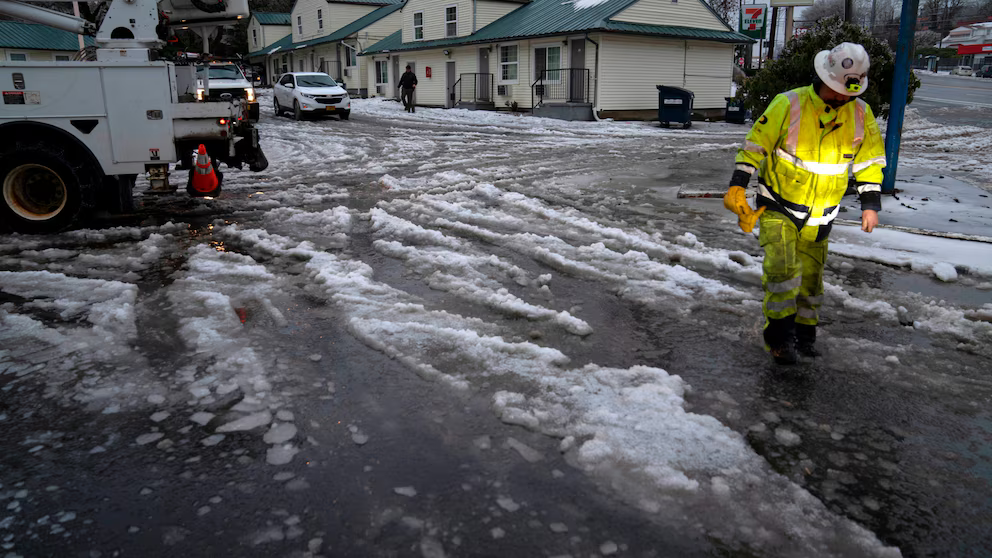
Photo from Jenny Kane via ABC News. Curated by Hailey Foster (hf348@cornell.edu).
Dig into the research and you’ll see just how tightly energy insecurity and poor health are tied together. One study from 2020 in the International Journal of Environmental Research and Public Health found that people dealing with energy poverty don’t just rate their health lower; they're also more likely to have breathing problems and mental health struggles. That’s not a coincidence. Not having enough energy at home can end up shaping your body and mind, acting as a huge, hidden factor in how healthy you feel. Another study in Frontiers in Public Health backs this up. It suggests that families without reliable electricity experience higher rates of illness and injury, and they are less likely to seek care from a doctor or clinic. Financial stress and infrastructure challenges, such as damaged roads or hospitals without reliable electricity makes accessing care even more difficult, causing these issues to compound over time.
Without steady electricity, families end up relying on candles, kerosene, or burning wood and other fuels inside. This can lead to increased smoke in the home, higher chance for burns, and accidents just waiting to happen. Weak lighting after dark makes it risky to care for someone who’s sick, help kids study, or even cook dinner safely. Over the years, these conditions result in chronic disease, constant stress, and a life that just feels smaller and harder. The impact isn't only physical. The constant uncertainty of unreliable power also takes a toll on mental well-being. You never really know if you’ll have light, if you can keep your food fresh, or if you can afford to keep the lights on at all. That kind of uncertainty breeds anxiety and keeps people on edge, showing that the state of your home’s wiring can shape your mental health as much as your surroundings.
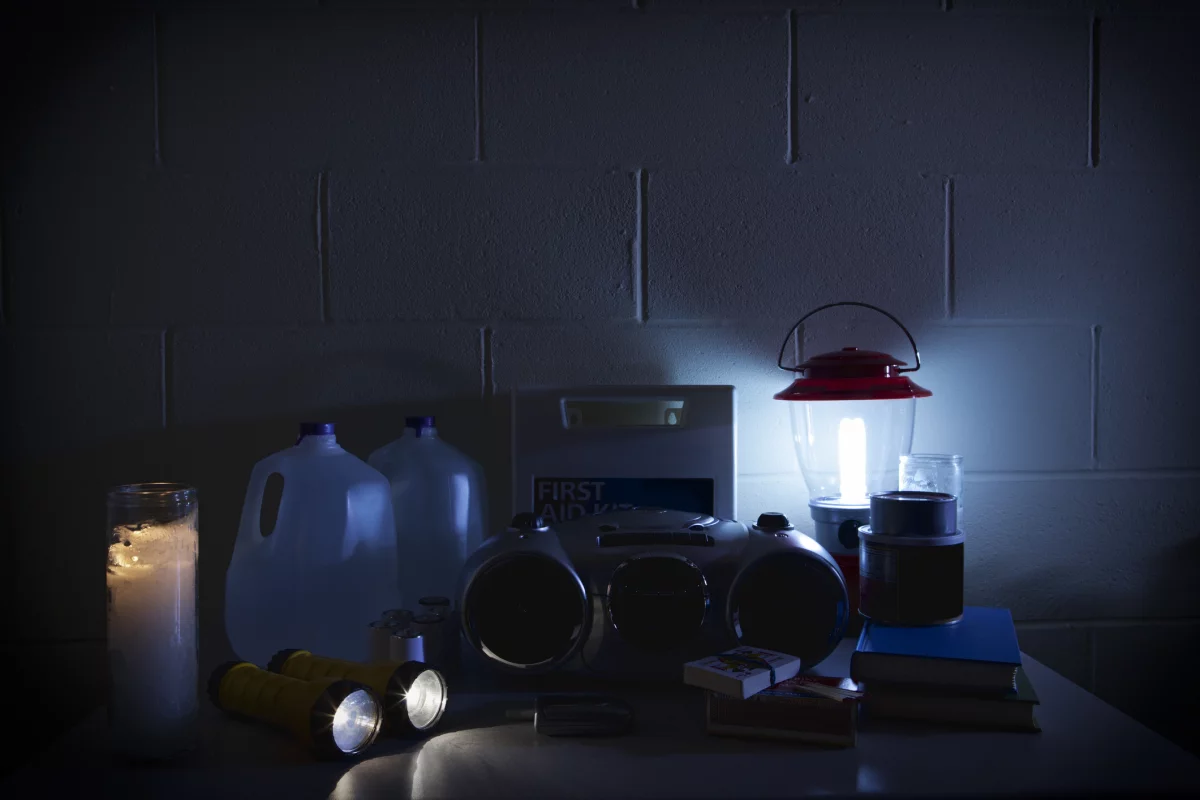
Photo from Jul Nichols via NPR. Curated by Hailey Foster (hf348@cornell.edu).
Global health experts see all of this up close. Dr. Randi Diamond, who works in palliative care at Weill Cornell Medicine, has spent years in rural Uganda, helping teams care for terminally ill patients. She’s seen firsthand how shaky infrastructure, especially spotty electricity, makes it more difficult to care for patients and support their families. The documentary, Oli Otya? Life and Loss in Rural Uganda, brings these realities to life, showing just how much energy poverty affects both patients and caregivers. Ultimately, the lesson is clear: good health depends on more than medicine or hospitals alone. Without reliable energy, basic care, as well as dignity and comfort, remain at constant risk.
Giancarlo Chuquitarco '27 is a Biological Sciences major in the College of Agriculture and Life Sciences. He can be reached at gc539@cornell.edu.
Sources:
Nyame-Baafi, Kwasi, et al. “Assessing the Effect of Energy Poverty on Health Outcomes: Insights from Ghana.” BMC Public Health, vol. 25, 2025, p. 2419.
Oliveras, Laura, et al. “Energy Poverty, Its Intensity and Health in Vulnerable Populations in a Southern European City.” Gaceta Sanitaria, vol. 35, no. 5, 2021, pp. 438–444.