Music Heals More than the Soul
Written by Luca Voli
Edited by Terrance Miao
Music – it is powerful, inspiring, transcendent. It can fill us with joy or bring us to tears. It can make us excited for the future or reminiscent of the past. It can rekindle old friendships or forge new ones. For all these reasons, we often say that music heals the soul – but can it heal more? Recent research has shown that music can influence biochemical processes in the body and enhance patient recovery, from those afflicted with Parkinson’s to those undergoing medical procedures. In other words, music isn’t just important for our emotional and spiritual health – it can aid our physical health as well!
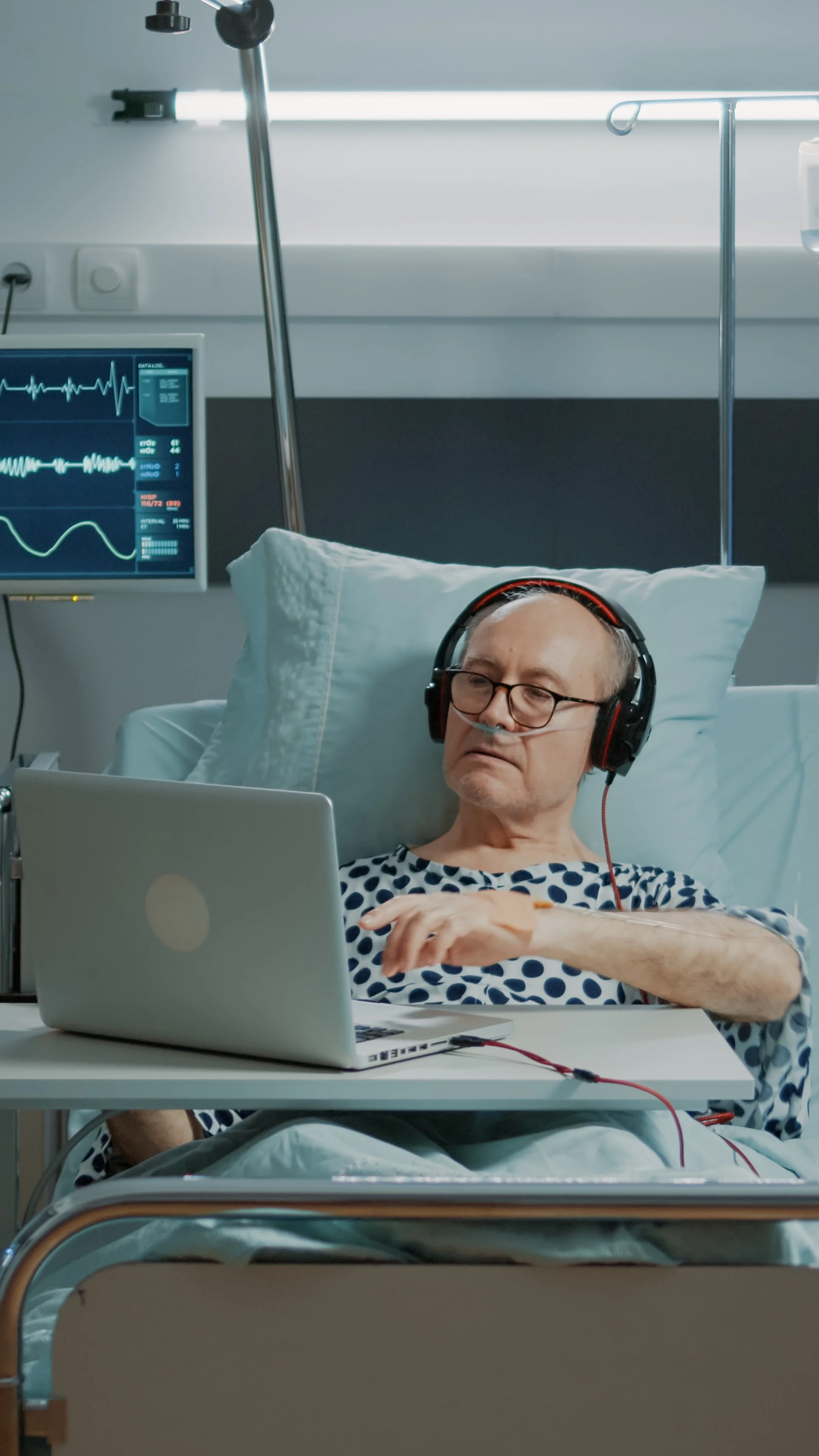
Photo from DC studio via Freepik. Curated by Kayla Vance (kmv53@cornell.edu).
One proponent of music’s remedial side is Alexander Pantelyat, MD, the director and co-founder of the Johns Hopkins Center for Music and Medicine. As a neurologist, he mainly treats patients with Alzheimer’s and Parkinson’s diseases, both of which are characterized by the degradation of neural networks in the brain. Seeking a way to reverse this neurodegeneration, Pantelyat has redirected his gaze (or, rather, his ears) to music. There is already significant evidence that music can activate many different regions of the brain: speech processing in the temporal lobe, pleasure processing in the nucleus accumbens, memory formation in the hippocampus, and motor movements in the frontal lobe, cerebellum, and basal ganglia. In 2015, Pantelyat conducted a study on twenty Parkinson’s patients in which he found that drumming and clapping rhythms improved their mobility. Another study in 2022 demonstrated that guitar playing even enhanced Parkinson’s patients’ fine motor skills. Further evidence suggested that group singing encouraged these patients to maintain a higher minimal voice volume – “a big deal,” according to Pantelyat, because “communication can be impaired by the voice getting lower and becoming more monotonous” [1]. Thus, Pantelyat’s research has been a huge success in establishing music as a healing force for those living with neurodegeneration.
But music’s medicinal role extends even further, for it can help any patient! Psychologist Daniel J. Levitin, PhD, and his postgraduate research fellow, Mona Lisa Chanda, PhD, have conducted studies at McGill University in Montreal showing that listening to and playing music can boost immune function by increasing the synthesis of immunoglobulin A and natural killer cells. They also found that music lowers stress by decreasing quantities of the stress hormone cortisol. Taken together, these two effects can work wonders for many patients, such as those facing severe anxiety prior to surgery [2].
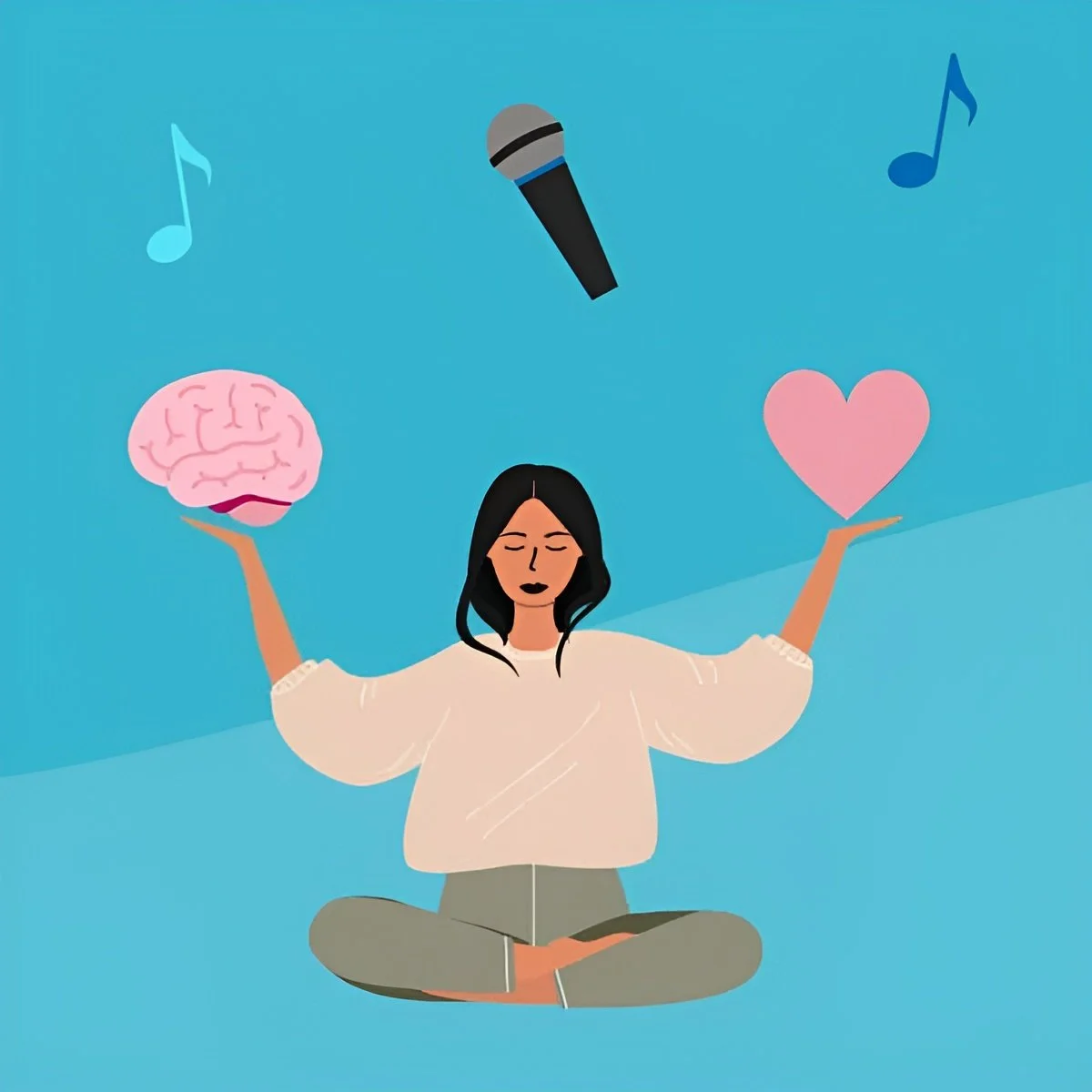
Photo from Merit School of Music. Curated by Kayla Vance (kmv53@cornell.edu).
Essentially, music can function as a safe and inexpensive drug, but, like any drug, it must be administered appropriately. According to Mei Rui, DMA, the director of Music in Medicine at MD Anderson Cancer Center, intubated and sedated patients under general anesthesia have lower stress biomarkers and improved hemodynamic stability when in the presence of “prescribed” music. However, she warns that the music must be selected carefully: “Some music can be emotionally triggering, especially vocal music or pieces with overly activating rhythm.” Instead, she recommends focusing on the relationship between one’s goal and the compositional elements of the piece when prescribing music; for example, for stimulating sleep in ICU patients, a slow arrangement at low volume might work [3].
Ultimately, these studies collectively illustrate that music is a powerful medicine. We may not realize it when we listen to our favorite song, but our very act of listening is altering complex reactions in our bodies. As research continues to shed light on music’s restorative powers, it’s only a matter of time before our prescriptions come with a playlist.
Luca Voli ‘27 is in the College of Arts and Sciences. He can be reached at gev29@cornell.edu.