How Climate Change Alters Insect Behaviour and Increases Human Disease Risk: In conversation with Professor Courtney Murdock
Written by Nancy Selwood-Metcalfe
Edited by Marc Staiano
Climate change has the capacity to influence vector-borne diseases in an unknown multitude of ways, changing not only where vectors can survive, but also how they behave, reproduce, and interact with the pathogens they carry and the hosts they infect. Professor Courtney Murdock, a disease ecologist, has spent much of her career researching diseases such as malaria and dengue, which are climatically driven. The interactions between a host and parasite are shaped by a complex interplay of environmental, biological, and behavioral factors, many of which are highly sensitive to changes in climate. As Professor Murdock emphasizes, the relationship between disease and climate is complicated, with a nonlinear response in transmission to temperature.
One of the most important ways climate change influences vector-borne disease is through its effects on insect physiology. Temperature especially plays a central role in shaping mosquito metabolism, development, and immune function. Increases in temperature don’t necessarily increase disease transmission, challenging a long-standing assumption. Instead, it follows a nonlinear pattern with an optimal temperature where transmission is maximized. Mosquito life cycles are sensitive to environmental conditions, with extreme temperatures in some regions creating conditions that are actually less suitable for disease transmission.
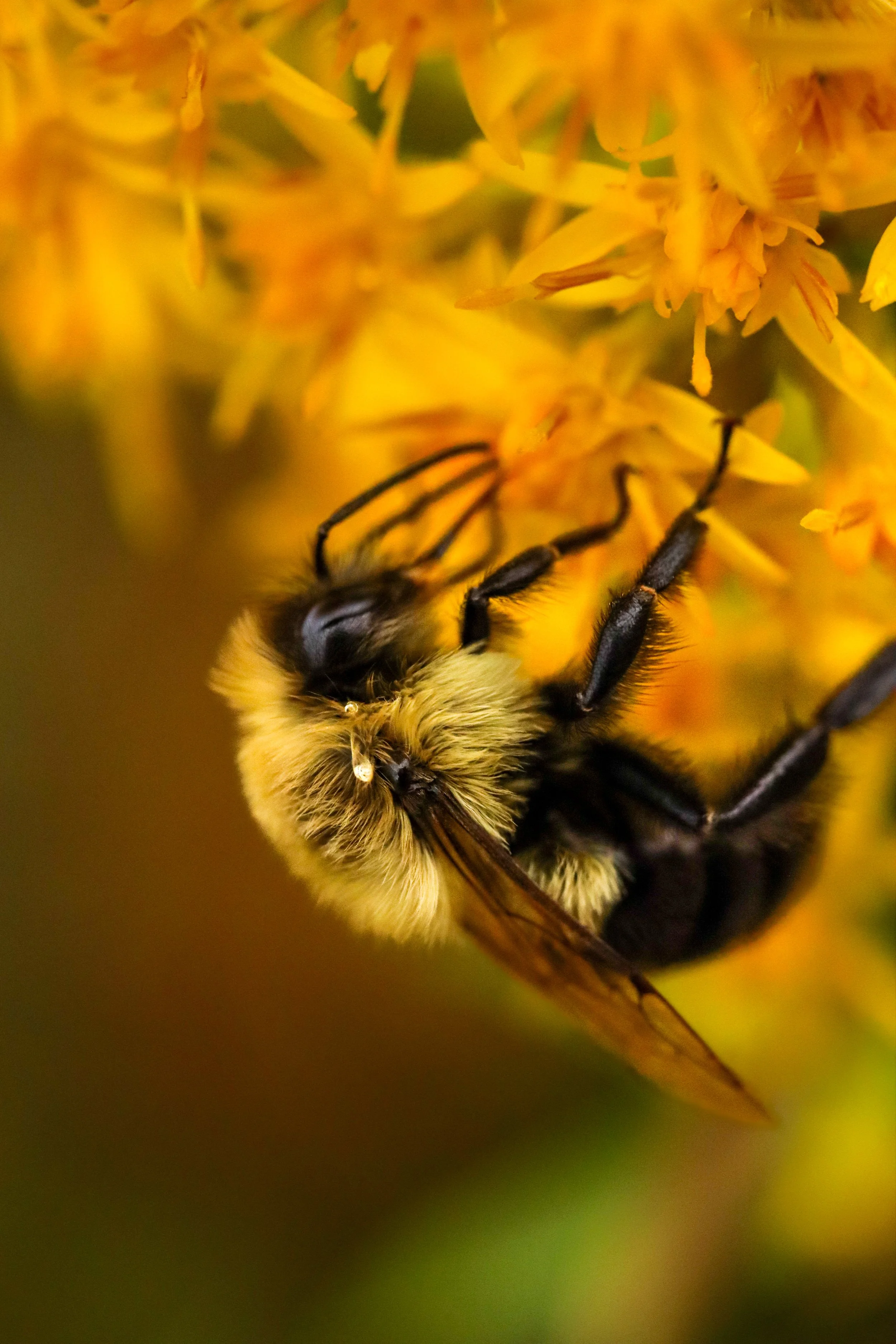
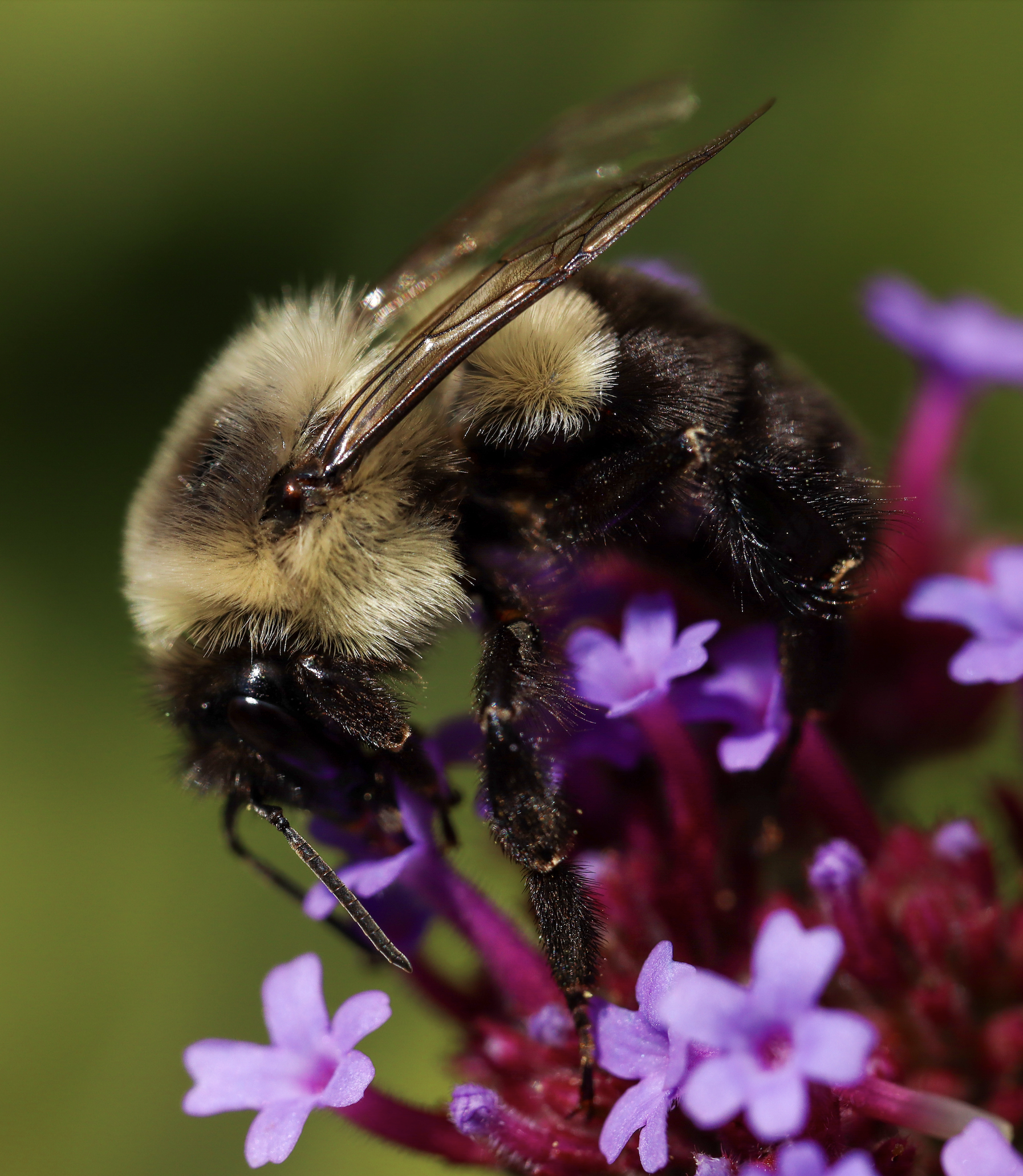
Photos taken by Julia Leavitt (jal569@cornell.edu).
Beyond physiology, climate change is also influencing mosquito behaviour. Changes in biting time have already been recorded, although they are also highly sensitive to human interventions as well as environmental change. Other behavioural traits, such as feeding frequency and host preference, are less understood. While many disease transmitting mosquitoes are highly host specific, Professor Murdock notes that it is unclear how climate change might alter these preferences. Climate change also impacts rainfall—increased precipitation can create more breeding sites by increasing the prevalence of stagnant water and increasing mosquito population size. However, this relationship is dependent on context, as in urban environments mosquitoes often breed in water storage containers, so the water availability and mosquito abundance is also influenced by infrastructure and human behaviour. Extreme weather events such as droughts and floods can disrupt these patterns, making it difficult to predict overall impacts.
Climate change therefore doesn’t increase disease incidence everywhere, but reshapes the geographical distribution of vector-borne diseases. As temperatures increase, vectors are moving into different regions, including higher latitudes and altitudes that were previously unsuitable. They can also introduce and maintain transmission of pathogens in previously unaffected populations. Therefore, climate change is the redistribution of disease risk rather than the amplification.
Understanding climate driven disease dynamics is difficult due to the complexity of variable interactions. As while temperature is a major factor, it interplays with a range of other variables, including humidity, precipitation, host availability, and human behaviour, making accurate prediction difficult. Many models attempt to predict disease risk in future decades, while relying on assumptions that may not remain the same over time. Mosquitoes can evolve in response to changing conditions, while improvements in healthcare, and vector control can reduce transmission risk. Even when incorporating nonlinear temperature effects into models, they remain limited by the inability to validate long-term predictions. As Professor Murdock explains, while models can be fit to current data, there is no way to test their accuracy for future scenarios.
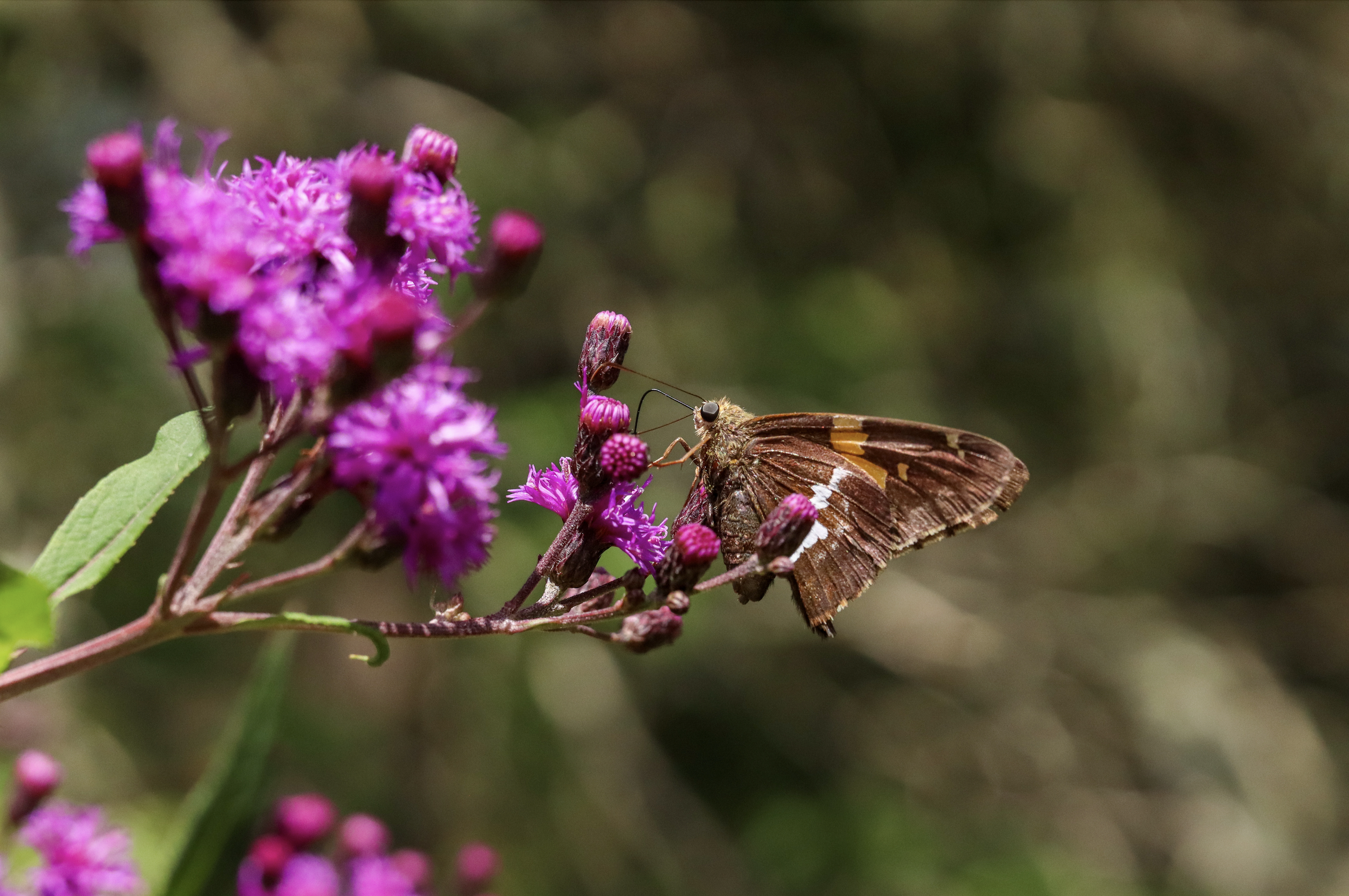
Photos taken by Julia Leavitt (jal569@cornell.edu).
In many developing countries, populations are already disproportionately affected by vector-borne diseases, and climate change may emphasise these imbalances. Flooding can both increase mosquito breeding sites and disrupt access to healthcare, making it more difficult to control outbreaks. Broader health challenges are also associated with climate change, such as heat stress and food insecurity, and can increase disease risk. There are also risks which accompany efforts to control these impacts, as measures designed to protect populations from extreme heat, such as increased water storage or cooling infrastructure, may indirectly create more suitable environments for mosquitoes. This emphasizes the importance of taking a holistic approach to public health interventions in a changing climate.
Professor Murdock highlights the importance of testing and refining the assumptions built into existing models in the future, as well as understanding the diversity within mosquito populations. The interaction between environmental change and socioeconomic development remains poorly understood, making it difficult to anticipate how disease risk will evolve over time. As climate change progresses, the challenge lies not in predicting its effects, but in understanding the complex systems that will dictate disease risk in the future.
Nancy Selwood-Metcalfe ‘27 is a Biological Sciences major in the College of Agriculture and life sciences, on exchange from London for the year. She can be reached at ns2233@cornell.edu.