What is Archaeology, Anyway?
Written by Justin Choi
Edited by Gesi Huang
Before the 20th century, the field of archaeology had been largely based on descriptive methods, emphasizing the collection and classification of artifacts instead of systematic analysis. However, the ‘new archaeology’ revolution in the 1960s widely transformed this perspective. This revolution argued that archaeology is a science that should be studied solely from a scientific perspective.1 New archaeology generated much controversy between philosophers and archaeologists alike, as its emphasis on scientific approaches undermined the contributions of humanities-based methods. Although archaeology undeniably involves the natural sciences, new archaeology’s disregard for humanities-based approaches, such as the subjective interpretation of archaeological evidence and the study of the cultures of past civilizations, contravenes the nature of archaeology. Archaeology should not be defined as a purely scientific discipline, but rather as an interdisciplinary field that integrates both scientific methods and humanistic interpretation to study the past.
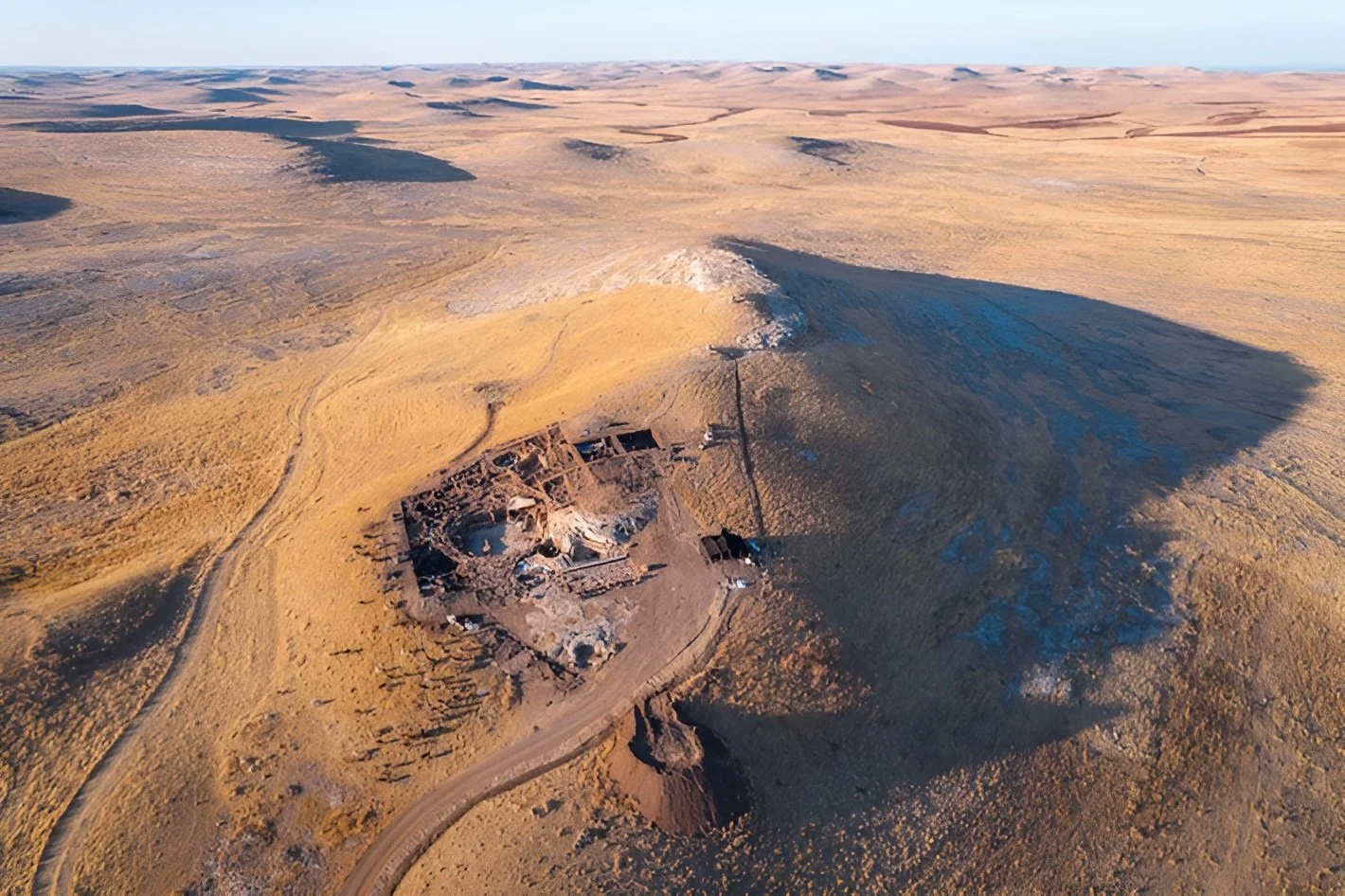
Photo from Archaeology Magazine. Curated by Hailey Foster (hf348@cornell.edu).
As stated, the new archaeology movement has merit because the natural sciences do play a crucial role in archaeology. In fact, due to their systematic, methodical approach, scientific techniques have been employed in many modern archaeological studies. Kate Britton and Michael P. Richards, authors of Archaeological Science: An Introduction, and Ken Dark, author of The Science of Archaeology, affirm these claims in their respective works. For example, they both note that archaeologists rely on stratigraphy, or the analysis of the order and position of layers of archaeological remains using numerical comparison of data. Stratigraphy is not the only archeological substudy that utilizes scientific methodologies. For instance, recent advancements in field techniques and technologies, such as the use of DNA analysis and stable isotopes, have led to major contributions in the study of domestication and the Neolithic transition. Due to the significant role that science-based research has played in understanding the past, it is undeniable that science is a cornerstone component of archaeology as a whole.
Despite archaeology’s close relationship with the sciences, archaeology should not be exclusively categorized as a science. Since it is defined vaguely as the study of the past through its material remains, archaeology can also involve arts-based approaches that supplement scientific findings. For instance, archaeologists make subjective assessments when they interpret material remains to infer human behaviors and beliefs. These inferences rely on the researcher’s interpretation of evidence, which can be influenced by the researcher’s academic background, cultural biases, or assumptions. Since individuals may interpret the same evidence in different ways and thus draw a variety of conclusions, inference is a method of inquiry that strays from the objectivity of science.
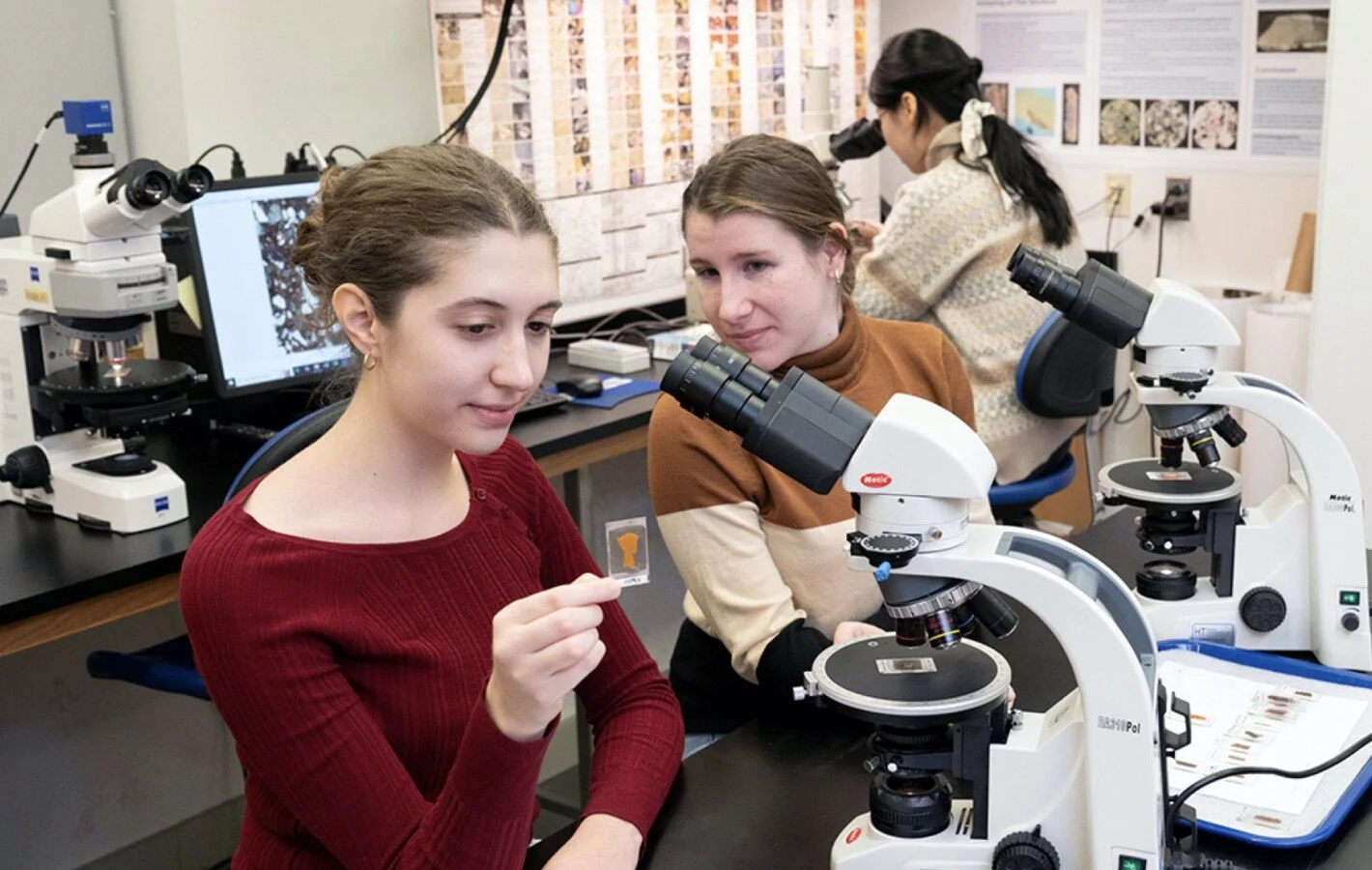
Photo from Penn Today. Curated by Hailey Foster (hf348@cornell.edu).
Although some may argue that inference can better approximate the truth as assumptions become more plausible and reasoning becomes clearer, studies of the past often contain a high degree of uncertainty that limits objectivity. Nonetheless, non-scientific approaches to archaeology are key to studying the past as they can increase cultural understanding: human interpretation can reveal more about a culture than technology alone, as technology cannot fully capture the human experience. Since archaeology is essentially humanistic, it must be viewed from the perspective of humans.
It may seem like new archaeology is in conflict with other schools of archaeological thought. However, this is not necessarily the case. Through a more inclusive approach that recognizes the contributions of both the arts and the sciences, archaeologists could derive benefits from two subfields instead of just one. The sciences serve as an essential way to discover truths about the past, while the arts can use these findings to uncover a deeper understanding of the cultures and human behaviors of the past. Despite the differences between the two schools, both have the common goal of studying the past through material remains and should thus each build upon each other’s strengths to produce a more comprehensive understanding of the past.
Justin Choi can be reached at jjc436@cornell.edu.
Sources:
[1] Britton, Kate, and Michael P. Richards. Archaeological Science: An Introduction. Cambridge University Press, 2020.
[2] Dark, Ken. "The Science of Archaeology." Philosophy Now, 1991
[3] Wiseman, James. "Archaeology and Humanities." Arion: A Journal of Humanities and the Classics, vol. 3, no. 2, summer 1964.