Research in Art Museums
Written by Chi-Ray Hsu
Edited by Brianna Beckham
Art museums are the greatest collections of human creativity and experience. It is a wonderful thing to wander in and bask in the work of people who have mastered their set of materials and shaped our views of beauty and aesthetics. But these institutions do more than display art, they are also hubs of research and discovery.
So, what exactly do art museums conduct research in? The scope of their initiatives is broad and plentiful. One type of research among these institutions is conservation research. Art museums handle a vast number of objects made of various materials that are interacted with in different ways. To know how to best preserve their collections, a significant amount of resources in museums goes into studying the materiality of their objects, how they should be conserved, and how they can be displayed.
Actual conservation work is also quite research-based. Conservators must, on a smaller scale, identify and study each new object they work on, and the projects they choose deal deeply with many of the tools used in the biological or physical scientific research that we are most familiar with. In painting conservation, workers often study works using microscopes, X-Rays, and infrared technology. Each object has its own profile of materials, conditions, age, and binding that are essential to research in order to best handle it.
Storing conditions for each individual item must also be understood. Films or folders for photographs, for example, must be chemically treated because acidity can damage paper items Pests are also a great concern in object storage spaces with organic material such as books. In these ways, conservators constantly engage with information and technology from fields we most commonly see as “typical” science – chemical, physical, and even biological science – in their everyday work.
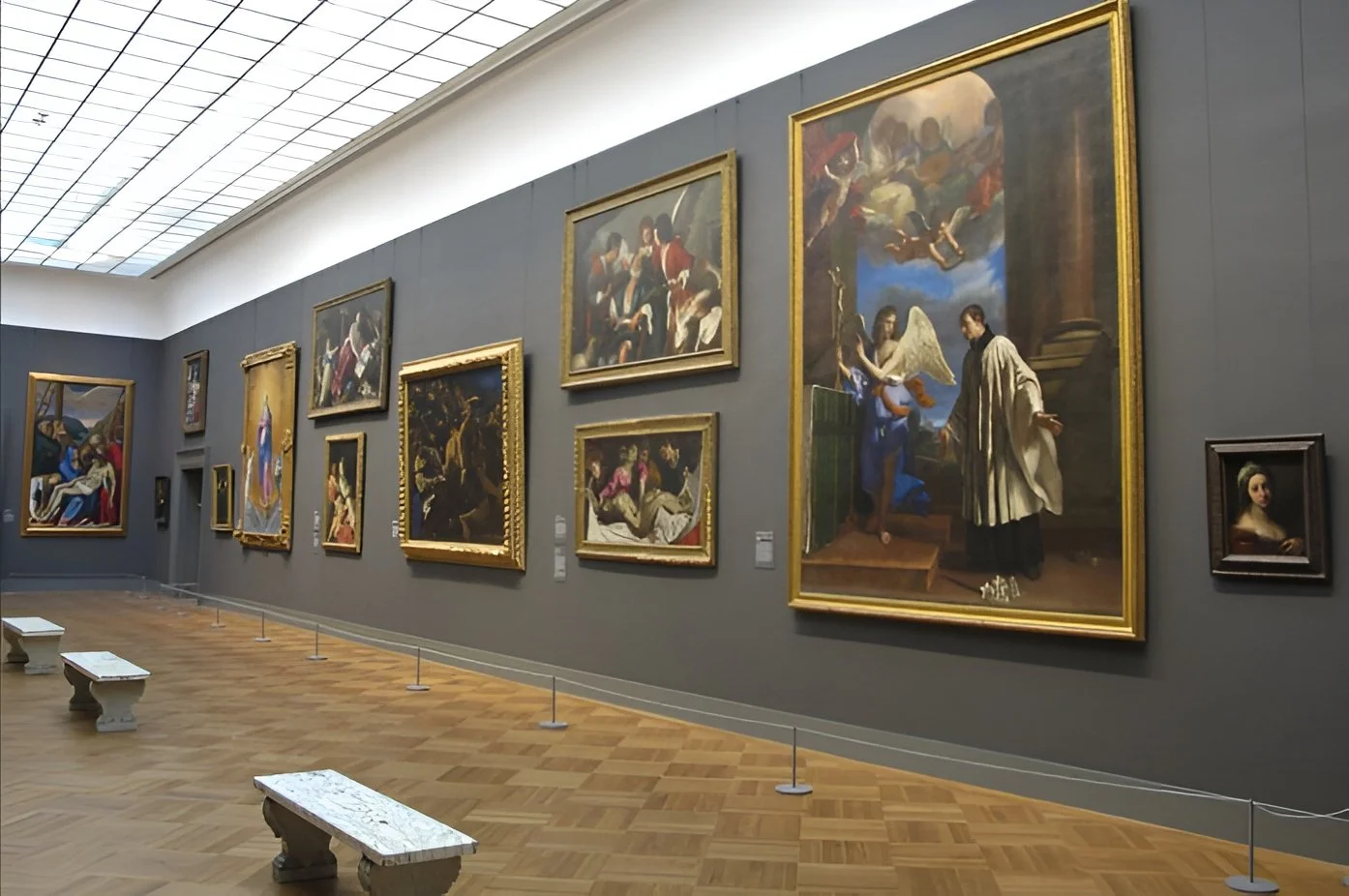
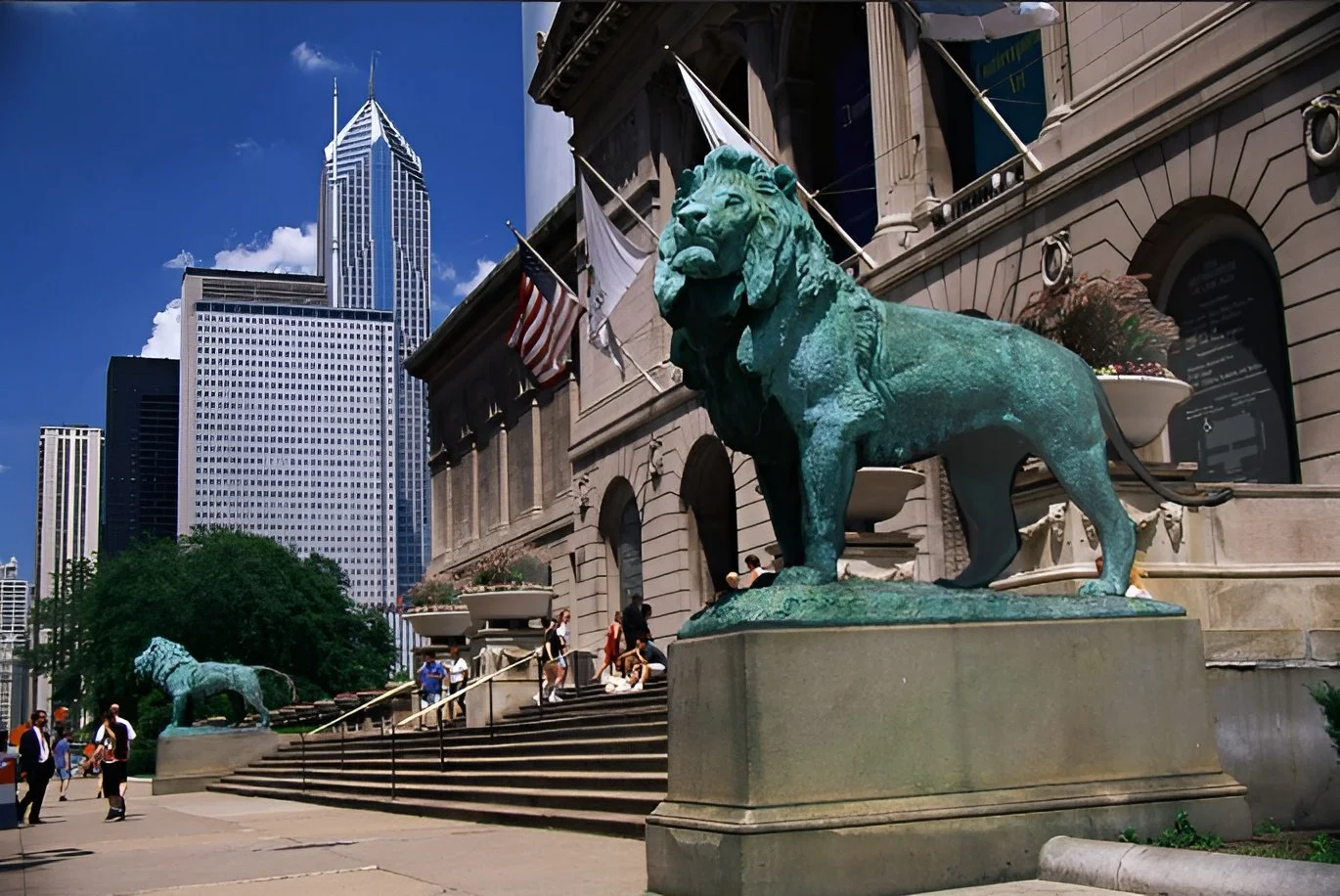
Photos from the Metropolitan Museum of Art (left) and the Art Institute of Chicago (right). Curated by Kayla Vance (kmv53@cornell.edu).
Another emerging field of research in art museums is provenance research. Provenance refers to an art piece’s (or other object’s) ownership history. Countless museums, including The Met, National Gallery of Art, The Art Institute of Chicago, and more, have stated their commitment to this type of research. The goal of this provenance research is to uncover details about previous owners, dates of ownership, where these owners lived and purchased their pieces, where the piece was created, and other information attached to the possession of the piece. This information broadens museums’ understanding of the pieces in their collections, provides visitors with a deeper understanding of the work they are viewing, and expands on fields of history and the humanities through understanding products of human creativity. When presented to the public, information about provenance helps de-objectify art by contextualizing pieces in human experience and providing a story and life around the piece that may not have been evident just by viewing. Attached to prominent works of art, it also helps to make research, usually conducted behind the scenes and shared within the field of academia, more accessible and interesting to the public.
Provenance research is particularly focused in the World War II era. Understanding a piece’s ownership history and details, especially through this era, allows museums to handle collections in moral and ethical ways and gives context to how art was dealt with in different historical contexts. For example, provenance from World War II may reveal a lot about how the possessions of persecuted groups – items that decorated their homes and immortalized their faces and skills – were dealt with.
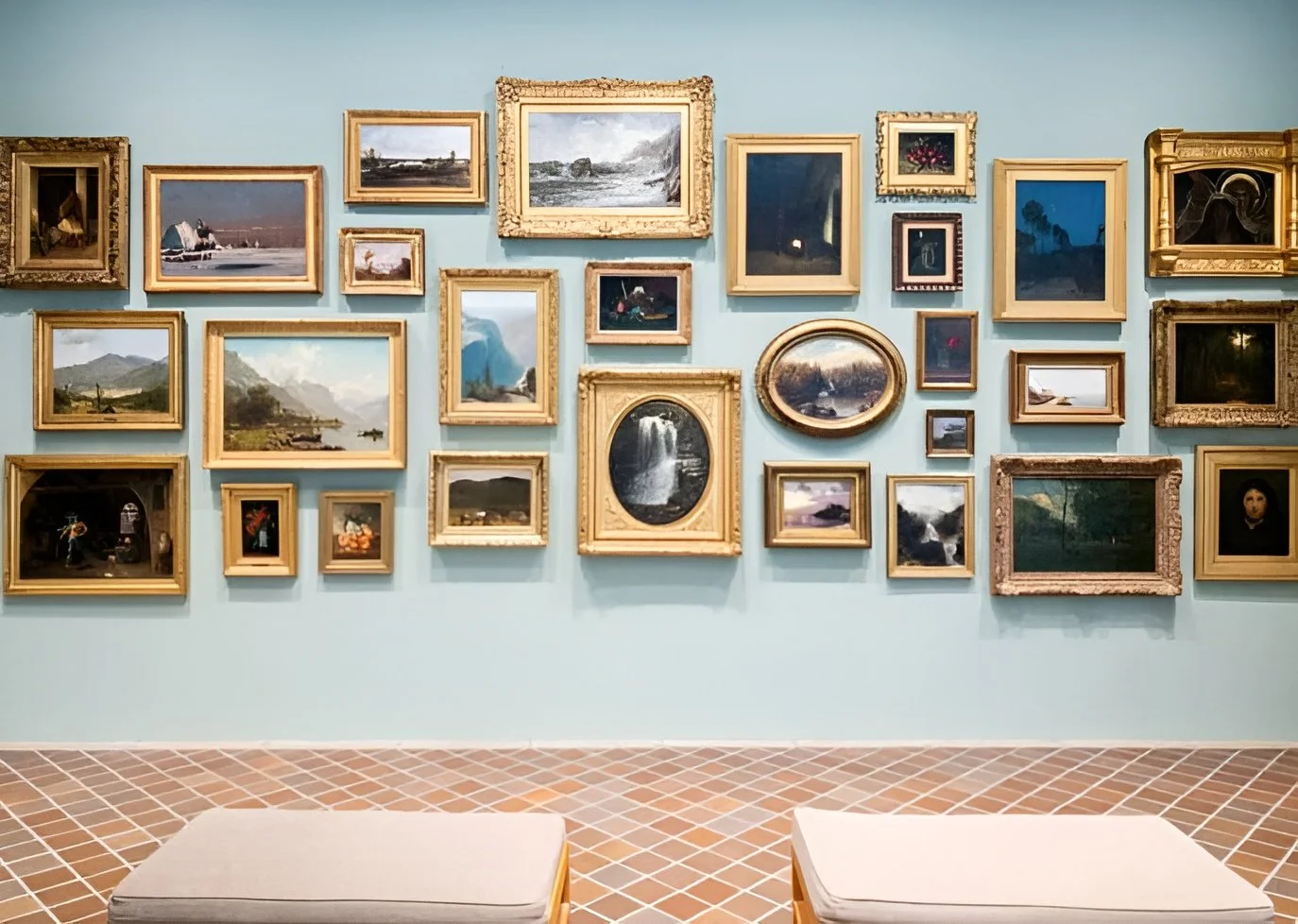
Photo from the Johnson Museum. Curated by Kayla Vance (kmv53@cornell.edu).
Cornell’s very own Johnson Museum of Art is very involved in provenance research from the aforementioned Nazi era, but also from when UNESCO created regulations to prevent illegal looting. Provenance from this era may help the Johnson track the cultural significance of an art piece and possibly return it or handle it most respectfully.
From the National Gallery in our country’s capital to the Johnson Museum here in Ithaca, art museums are committed to conducting research that provides for the informative value, care, ethical handling of their collections. Together, they are bridging the connection between visual art and science in our world, expanding humanistic understanding through scientific methods.
Chi-Ray Hsu '29 is in the College of Arts and Sciences, studying Government. She can be reached at ch2298@cornell.edu.