Astrology vs Astronomy: What Can We Learn From “Pseudoscience”?
Written by Gosephine Lizzi
Edited by Fatima Moizuddin
“Oh, you study astronomy? Do you believe in zodiac signs?” An infamous question nearly every young astronomer encounters upon declaring their fascination with space and its governing laws. Yet the difference between the two fields extends far beyond the two letters that separate their names. Often given the label as a pseudoscience, astrology is an ideology that proposes that the positions of celestial bodies like planets and stars affect every event occurring on Earth. On the other hand, astronomy is more mathematically focused on studying and observing the universe and all of its matter.5 However, there has been no distinction for most of human history.
From the Mayan civilization in Mesoamerica to ancient China, civilizations all over the world developed astronomical systems observing the movements of stars and planets as a method of advancing technology and culture. Astrology and astronomy originated as a singular field that can be traced back to roughly 2000-3000 BCE in the Babylonian Empire.1 Ancient Babylonians implemented a lunar calendar for agriculture and interpreting retrograde motion of planets as evidence of divine will. Early Babylonian astrologers even divided the path the sun takes across the sky, the ecliptic, into twelve constellations, which became the twelve houses and the twelve zodiac signs we know today. This development is foundational to later astrological systems. Babylonian Astrologers would predict the futures of royalty and eventually would cast personal horoscopes, predicting aspects of an individual’s future based on the positions of the planets along the ecliptic path.2

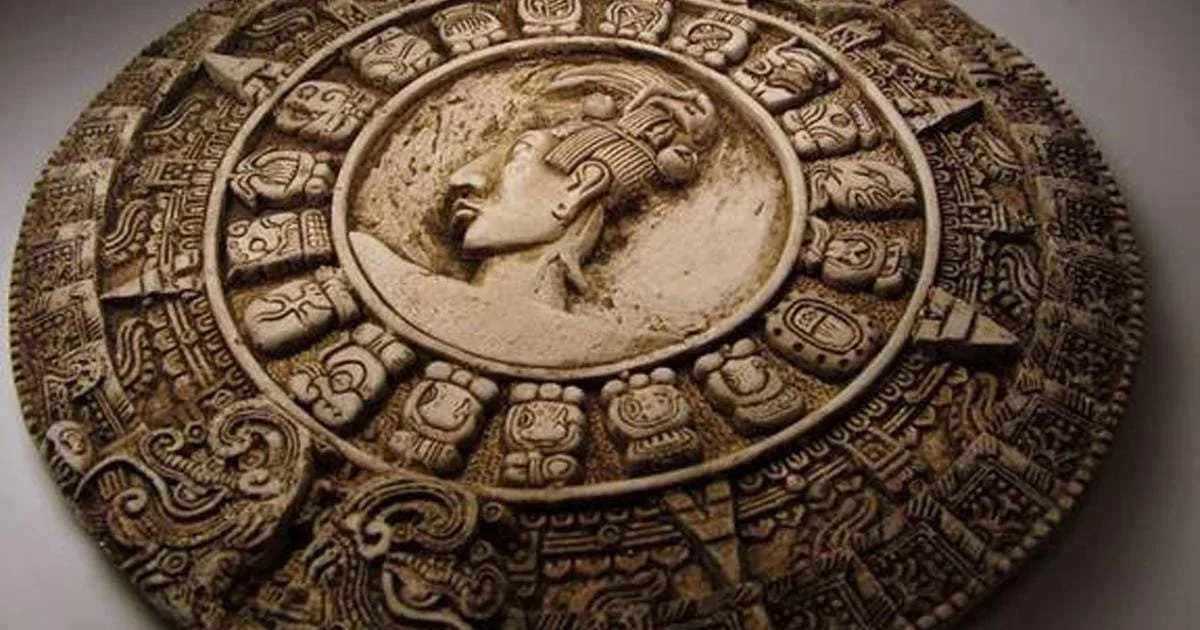
Photos from the Library of Congress (left) and Medium (right). Curated by Camille Parisot (cap364@cornell.edu).
The Greeks adopted and refined many of the Babylonian astrology practices while also pursuing a more mathematical approach to modeling the heavens. Philosophers and mathematicians refined these celestial models, treating astronomy and astrology as branches of mathematics. Pythagoras even developed a number system that would later influence astrology and numerology.2
During the Middle Ages, when parts of Europe experienced periods of intellectual stagnation, Islamic Caliphates increased the precision of Greek catalogues, continuing to make measurements as Chinese and Indian Empires performed astronomical observations and technological instruments advanced.1 Astrology and astronomy (astrometry) influenced more than scientific and ideological beliefs. Particularly in Medieval Europe, they influenced medicine, associating specific diseases and parts of the body with a particular planet or zodiac sign.4 Cosmological systems often shaped governance, social hierarchies, and cultural identity, often in harmful ways, reinforcing stereotypes and social stratification.
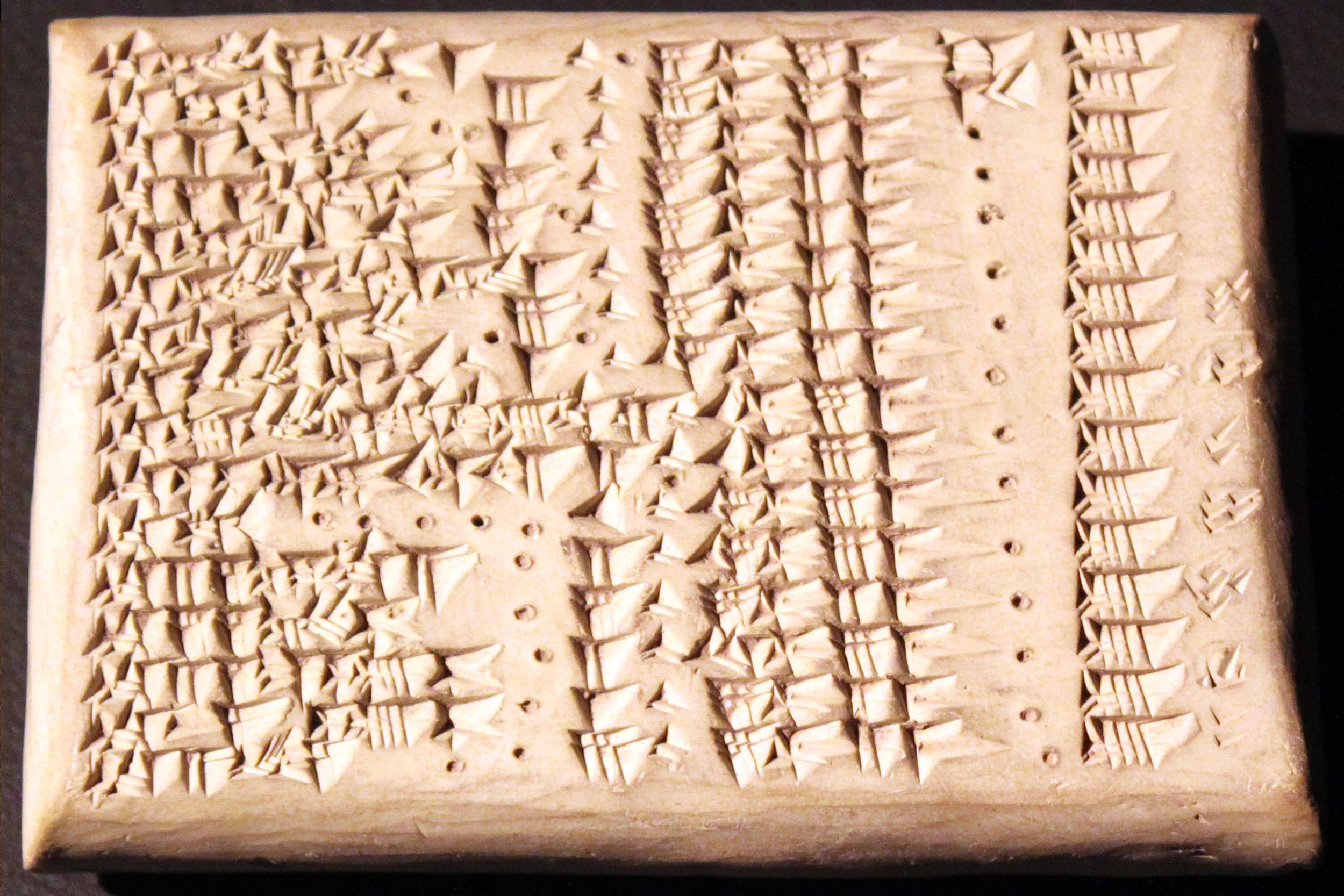

Photos from the Wikipedia (left) and Brewminate (right). Curated by Camille Parisot (cap364@cornell.edu).
It wasn’t until approximately the 19th century that astrology and astronomy became two distinct fields. As the field of physics advanced, astronomy became increasingly mathematical rooted in physical law. Physicists like Robert Bunsen and Gustav Kirchhoff utilized spectroscopy, an innovative tool, to facilitate the shift of astronomy away from positional mapping to the chemical and physical analysis of stars.3 Contrasting the growth of astrophysics during the 20th and 21st centuries, the practice of astrology and implementation of its tenants became increasingly unconventional and obsolete, lacking the falsifiability necessary to be considered a true science. Yet astrology’s imprint on society never entirely faded. In a culture still fascinated by fate and personal identity, zodiac signs and horoscopes persist in popular culture, no longer as governing cosmological systems, but as playful guides to romance, personality, and even which colors to avoid in the month of March.
While astrology no longer meets the standards of modern science, its origin alongside astronomy is a reminder that curiosity precedes methodology. For millenia, questions of physics, fate, and the cosmos were closely intertwined. In understanding their history, we gain insight into how science defines knowledge, and the intrinsic human nature of seeking the stars or something greater for guidance.
Gosephine Lizzi ‘28 is a sophomore in the College of Arts and Sciences. She can be reached at gl538@cornell.edu.