Taxidermy as Art?
Written by Luca Voli
Edited by Terrance Miao
What comes to mind when you think of taxidermy? Perhaps you envision a taxidermy shop, the lifeless eyes of deer heads and deceased pets staring down at you from every angle. In this case, you probably find taxidermy creepy and abhorrent – the very thought of it makes you cringe. Alternatively, you may imagine a nature museum filled with tropical birds on display, each highlighting their unique anatomical features. In this case, you may consider taxidermy cruel, but a necessary cruelty if we wish to study certain species more closely. Either way, it may surprise you that, over the past couple of decades, people have invented a new purpose for taxidermy as a form of artistic expression – a style which they call “ethical” taxidermy.
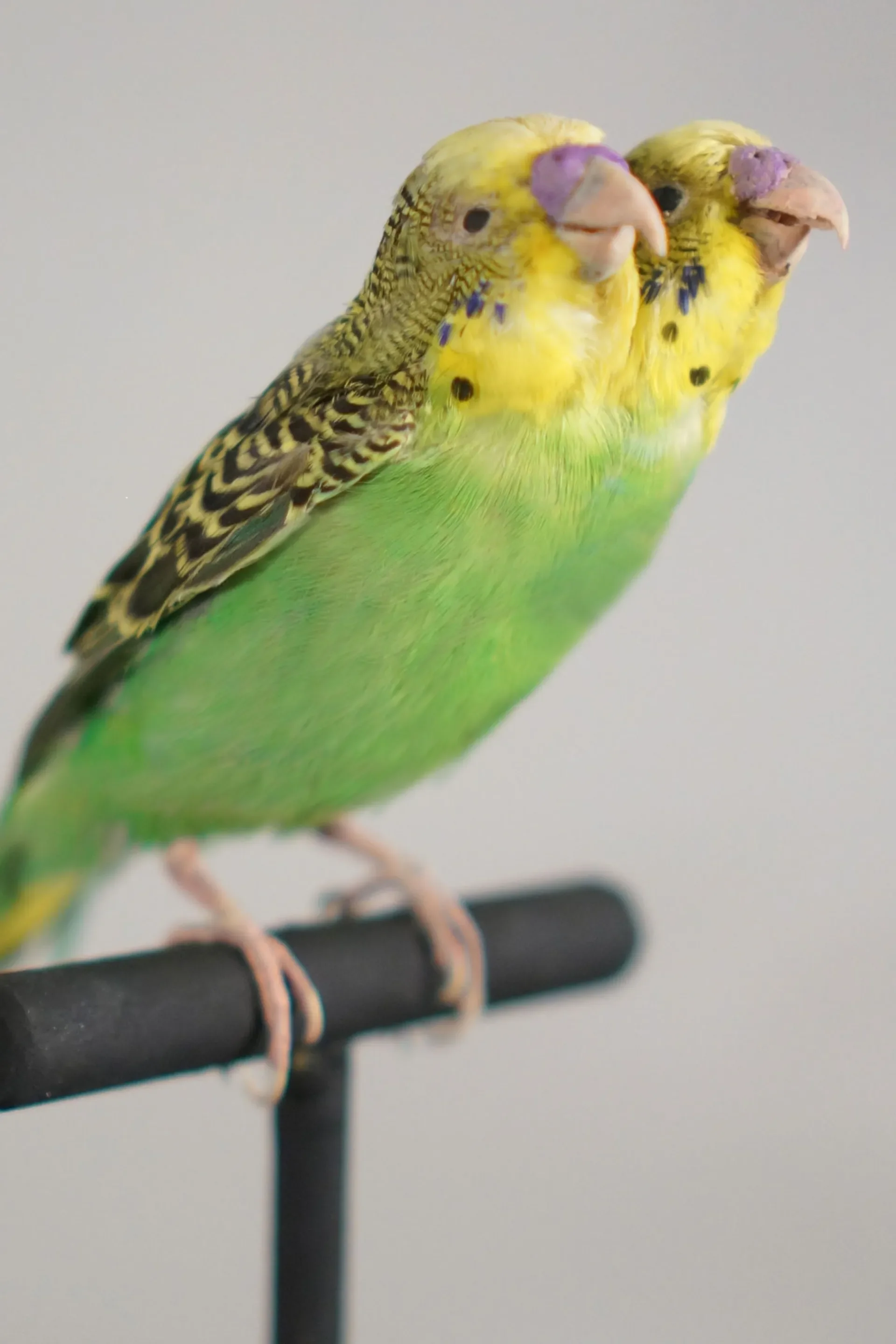
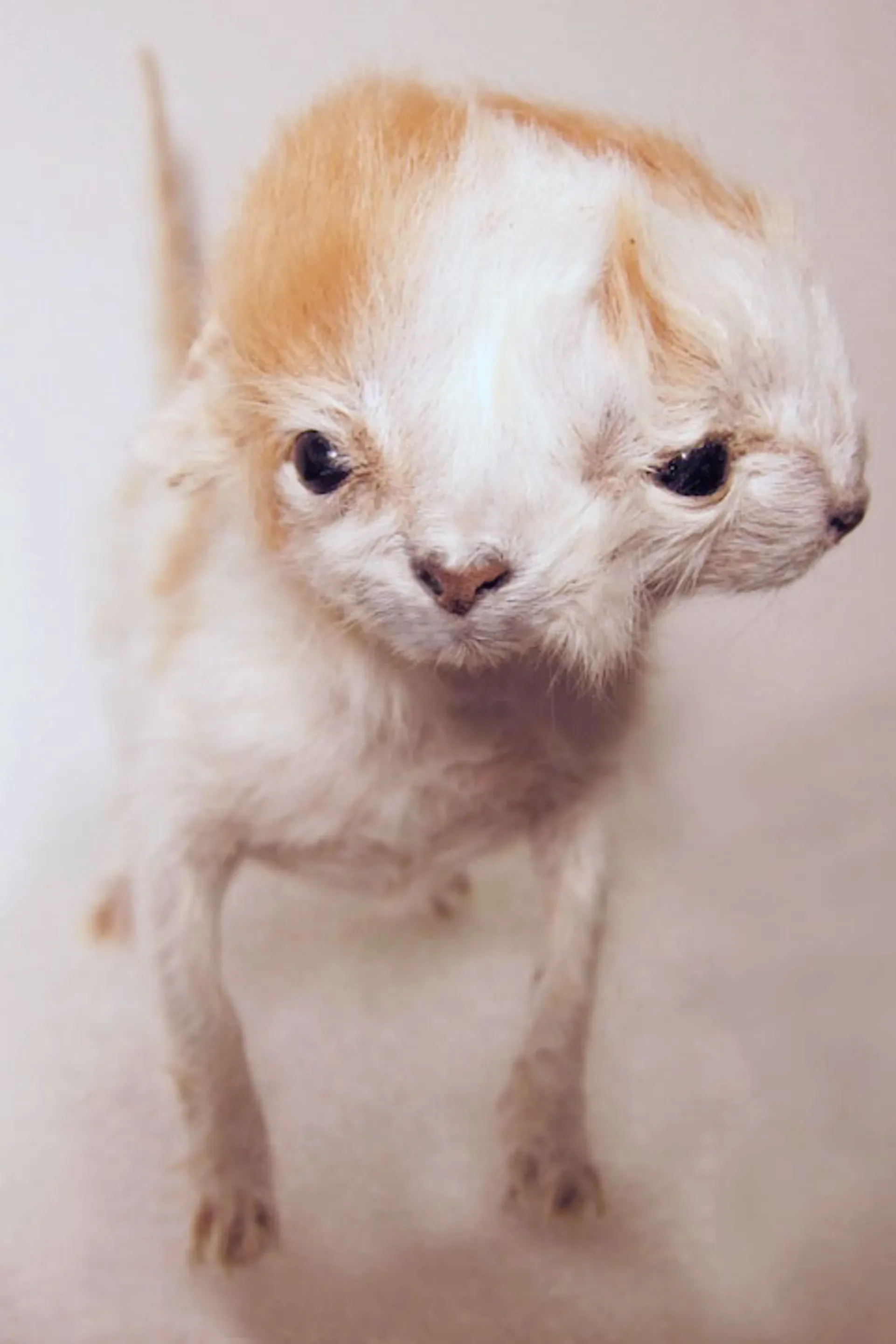
Photos from Divya Anantharaman. Curated by Kayla Vance (kmv53@cornell.edu).
Taxidermy has long been used as a means of preserving animal bodies. The practice dates back to the ancient Egyptians, who would stuff the corpses of beloved pets or sacred animals and then embalm them with spices before burial [1]. The more scientific, research-oriented side of taxidermy did not emerge until the early sixteenth century, when Dutch noblemen brought back tropical birds from Southeast Asia and, to immortalize their foreign splendor, stuffed the birds after they died. This led many wealthy aristocrats to compile large collections of taxidermied exotic animals, attracting biologists interested in examining these fascinating creatures. Eventually, those same researchers began to discuss taxidermical techniques in writing, cementing taxidermy as its own branch of science. For example, Montagu Browne wrote about the best ways to kill animals so that their bodies would be in peak condition for preservation; some methods were as grisly as drowning the animal in a solution of salts, acids, and alcohols [2]. Although today’s taxidermical research mostly utilizes salvaged specimens that are already dead, its ethicality is still highly questionable, especially in light of its history. How, then, have modern artists transformed this science into an art form they claim is “ethical”?
One pioneer of “ethical” taxidermy is Divya Anantharaman, creator of the so-called Janus kitten. Rather than merely preserve the kitten in its original form, Anantharaman added a second head to the taxidermied feline, hence the reference to the two-faced Roman god Janus. While such a bizarre change to the animal’s appearance may seem far from ethical, Anantharaman argues that her methods offer the creature “another life” and “elevate it into something beyond death” [3]. In other words, by transforming the animal into an avant-garde piece of art, she not only honors its all-too-short life but also gives it a new purpose in death. Kate Clark takes a somewhat different approach with her work: she sculpts human faces onto the bodies of large animals like antelopes and zebras. It is a way, perhaps, of humanizing the animals, allowing us to see ourselves in them. Furthermore, she often uses animal skins that have been damaged and thus cannot be used for another purpose, emphasizing the ethicality of her practice [4]. In fact, unlike scientific taxidermy, “ethical” taxidermy never seeks to deliberately kill animals for the sake of the art; rather, the art is made for the sake of the animal.
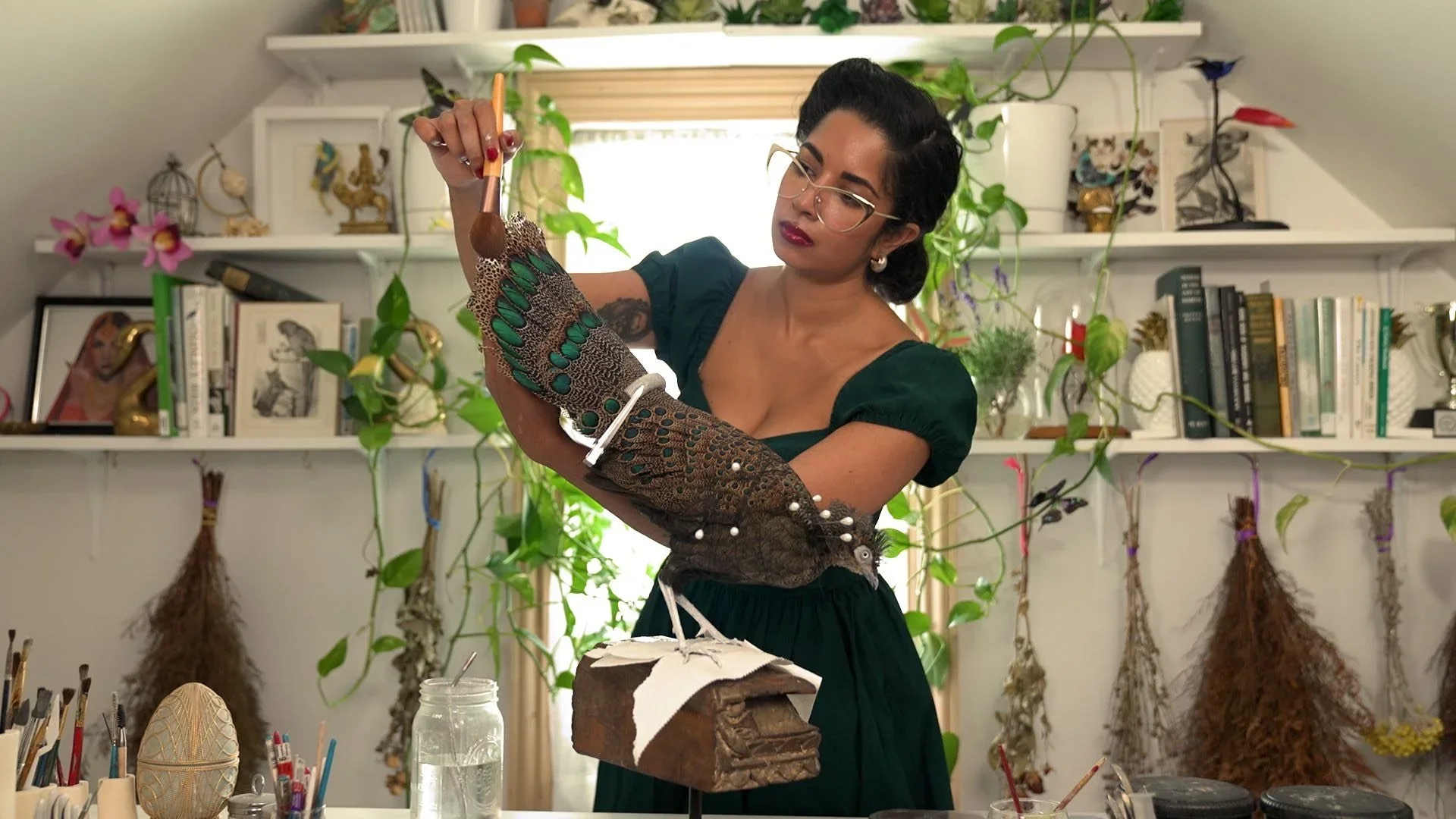
Photos from Divya Anantharaman. Curated by Kayla Vance (kmv53@cornell.edu).
Even if you find this taxidermical art discomforting, you can at least take solace in knowing that its intent is to show reverence to the deceased animal. Whether this makes it truly “ethical” is debatable, since one may argue that altering the animal’s original form is more disparaging than respectful. Regardless, the surrealist nature of the artwork does call into question our relationship to the animal kingdom. Is it right for us to create these animal hybrids, creatures that could once only be imagined in myth? On the other hand, is it right for us to create perfect copies of these animals for research? Either way, we are trying to play god – perhaps that should be what we find discomforting.
Luca Voli ‘27 is in the College of Arts and Sciences. He can be reached at gev29@cornell.edu.