Written by Luca Voli
Edited by Gabby Coleman
As artificial intelligence (AI) systems continue to outperform humans in many workplace tasks[1] like natural language inference and visual reasoning, many fear their careers may be at risk of replacement [1]. Given the empirical and humanistic nature of medicine, most medical specialties would appear to be safe from this concern – save for radiology. Unlike other specialties, radiologists spend most of their time away from patients, analyzing body scans and other images on a computer screen. Geoffrey Hinton, the so-called “Godfather of AI” who contributed to the development of modern-day deep learning models, even remarked in 2016 that medical schools should stop training radiologists, for it was “completely obvious” that AI would make their role obsolete [2]. This brings us to a question of paramount importance: is there any truth behind Hinton’s words?[2]
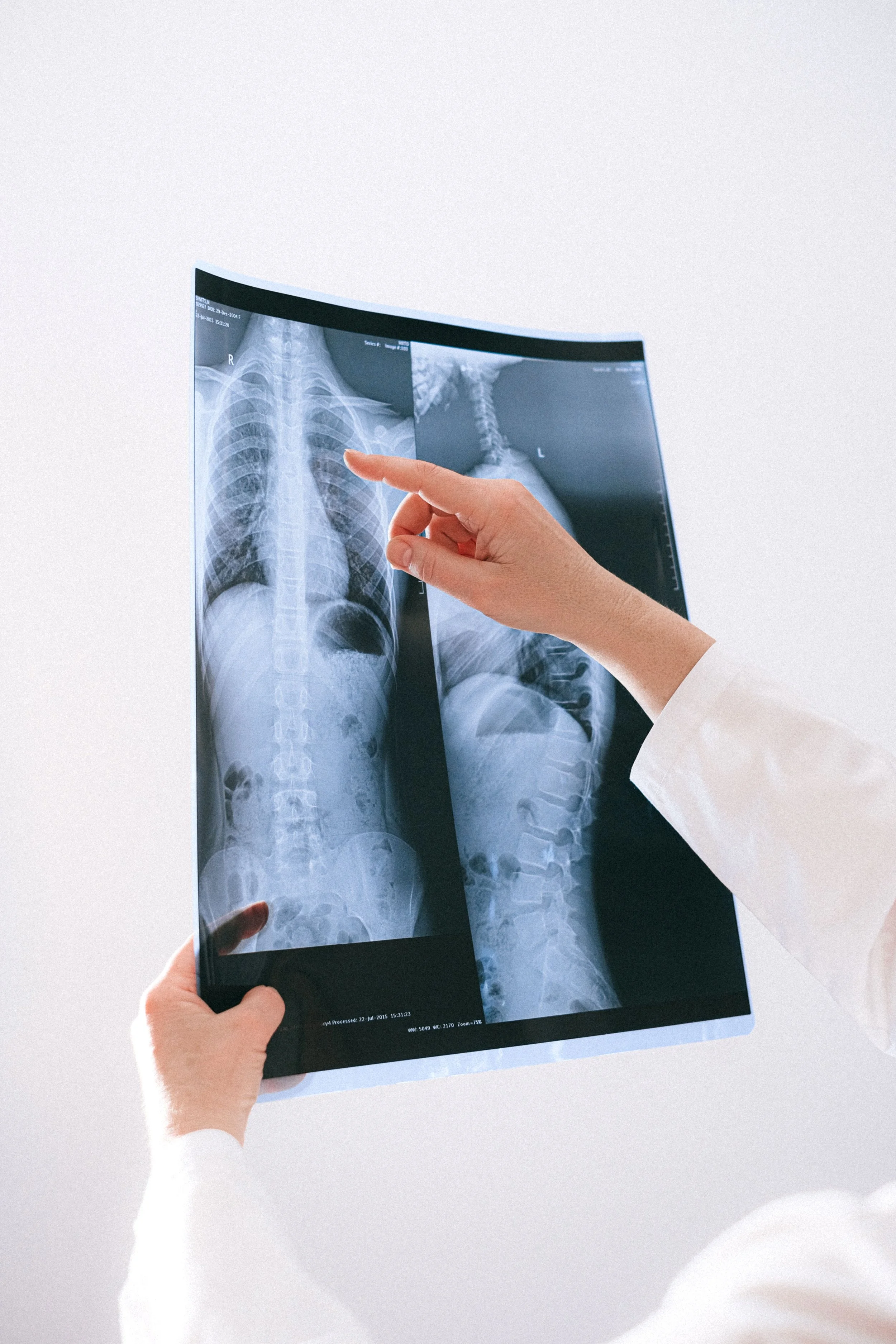
Photo by Anna Shvets:
https://www.pexels.com/photo/a-person-holding-a-x-ray-result-4226205/
Studies have already shown that AI can outperform radiologists in diagnosing chronic diseases[3] . In 2026, researchers [4] at Mayo Clinic developed a new AI system called REDMOD (Radiomics-based Early Detection Model) [5] that could identify subvisual signs of pancreatic ductal adenocarcinoma (PDA) an average of 475 days before the cancer would otherwise be diagnosed. Once approved for clinical use, this breakthrough technology might allow patients to start receiving treatment well before the terminal stages of PDA. Moreover, REDMOD could detect early signs of PDA with 34% higher sensitivity than experienced radiologists, meaning it was more proficient at recognizing genuine cases of the disease [3]. The development of programs like REDMOD would seem to imply that, as Hinton initially suggested, it is only a matter of time before AI can fully replace radiologists.
Yet, according to Cristoph Herpfer, a professor at the University of Virginia studying healthcare markets, “we actually have a huge shortage of radiologists.” Indeed, with an aging U.S. population, the rise in chronic diseases, and increased health insurance coverage under the 2010 Affordable Care Act, the demand for radiologists has only surged in recent decades [2]. In other words, despite AI, radiologists are more in need now than ever before. Indeed, many posit that AI will only augment radiologists’ abilities rather than replace them. According to researchers at the University of Texas, by working with AI, radiologists can become more efficient at their job and combat the growing shortage. Specifically, they propose that AI can help determine which imaging exams are necessary, handle scheduling and other easily automated tasks, and aid with interpreting images. Together, these features will ease radiologists’ workloads so they can focus on high-value tasks like patient communication. In fact, the researchers remark that this is one of the most overlooked yet critical aspects of radiology, and one which will allow radiologists to better connect with their growing patient population [4].
Photograph by Hailey Foster hf348@cornell.edu
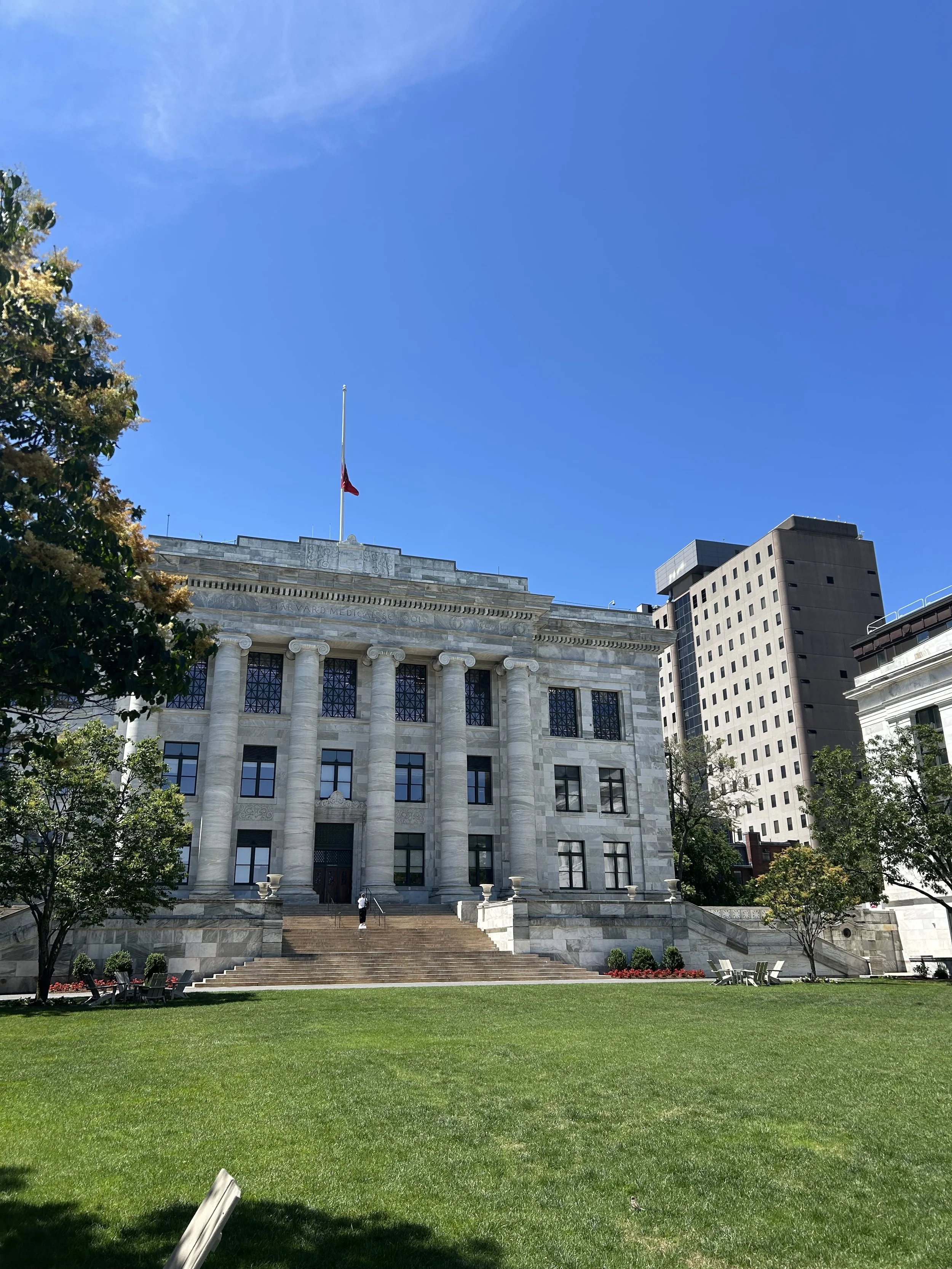
It is important to note, however, that AI assistance can positively impact some radiologists while negatively impacting others. Investigators at Harvard Medical School tested how the use of AI tools affects radiologists’ ability to make accurate diagnoses. Unexpectedly, they found no correlations between a radiologist’s performance when using AI and their level of experience, specialization, or prior familiarity with AI. Regardless of their background, every clinician seemed to have a different response: some improved with AI, others not at all. However, they did discover with more certainty that inaccurate AI models reduced radiologists’ performance across the board. For these reasons, the researchers have suggested that AI developers work alongside radiologists to design models that are not only more precise but built with their users in mind. For example, radiologists could provide feedback on how to strengthen AI explanations, making it easier for the clinician to judge the software’s decision before simply agreeing or disagreeing [5].
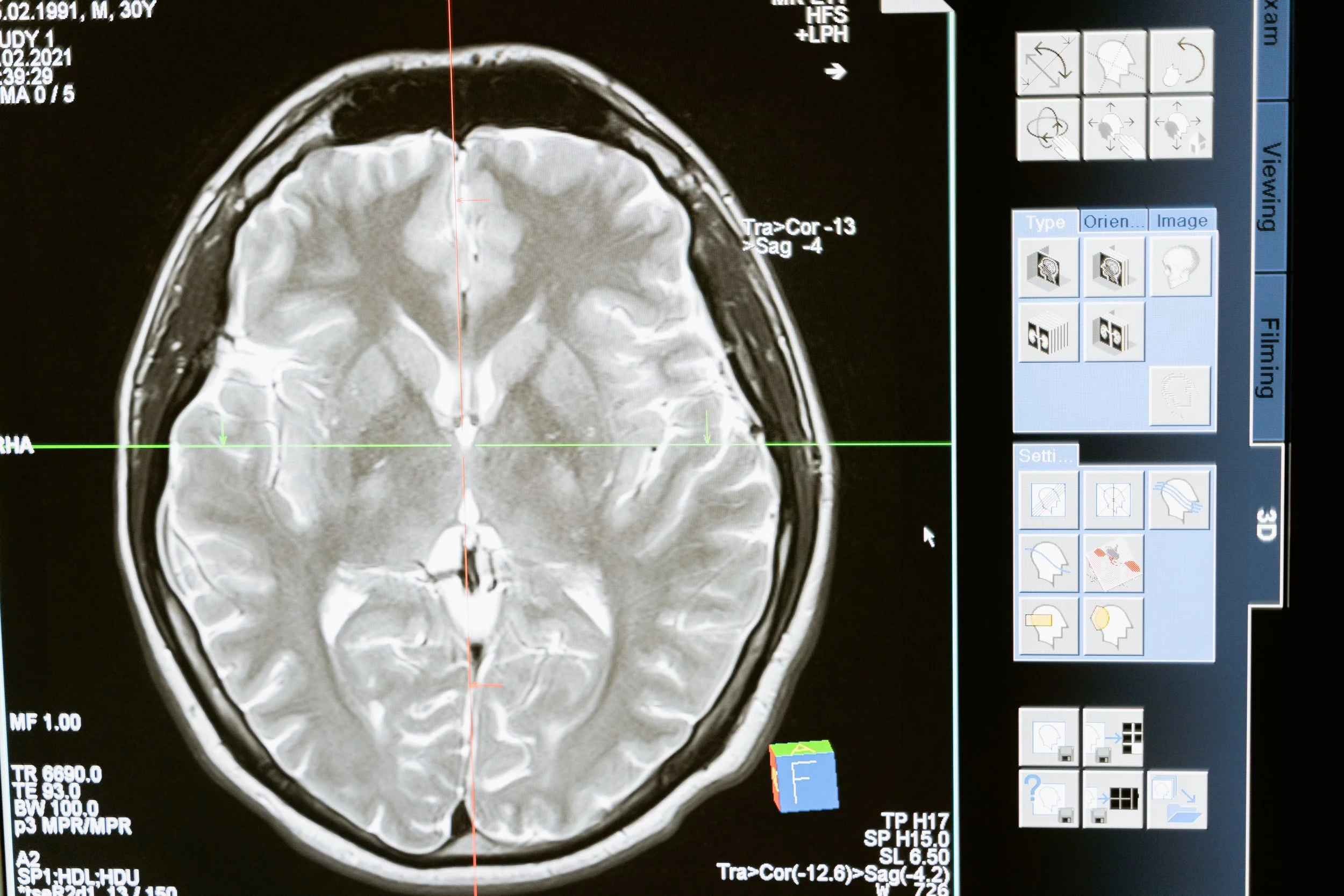
From Pexels, free use: Photo by MART PRODUCTION: https://www.pexels.com/photo/technology-computer-head-health-7089020/
It is undeniable that AI will have its place in the field of radiology – but rather than usurping the specialty, it will function as a useful partner which will allow radiologiststo detect diseases earlier with greater efficiency and accuracy. Even Geoffrey Hinton rescinded his claim in 2025, saying that AI might take over image analysis but won’t fully supplant radiologists [2]. Of course, there are still some lingering potential issues regarding the implementation of AI. Swiss radiologist Christoph Agten, MD, and economics researcher Heathcote Ruthven argue that the increasing automation of radiologists’ tasks will shift the value of their jobs from labor to capital, benefitting the buyers and sellers of the technology over the radiologists themselves [6]. Although radiologists’ salaries have risen in recent years, Agten and Ruthven’s warnings are not to be dismissed. By spending more time directly interacting with patients while allowing AI to handle the more technical tasks, radiologists can prove that their labor is still invaluable
(Luca Voli ’27 is a student in the College of Arts and Sciences. He can be reached at gev29@cornell.edu)
Sources:
[1] https://cfotech.co.uk/story/ai-surpasses-humans-in-key-workplace-tasks-stanford-study-reveals
[2] https://fortune.com/article/ai-godfather-radiologists-obsolete-salaries-up-to-571k-demand-growing/
[3] https://gut.bmj.com/content/early/2026/04/22/gutjnl-2025-337266.long
[4] https://www.nature.com/articles/s44401-025-00023-6#Sec23
[5] https://hms.harvard.edu/news/does-ai-help-or-hurt-human-radiologists-performance-depends-doctor
[6]https://www.sciencedirect.com/science/article/pii/S3050577125000313#keys0005