Written by Lucy Haura
Edited by Renee Lee
Before leaving your bed in the morning, put on a pair of rubber gloves and clouded goggles. Loosely put some earplugs in, and slide knee and elbow pads over your joints before connecting your shoulders to your knees with a bungee cord. Now try going about your daily routine, reaching for the oats in the top cupboard and bending over to tie your shoelaces. What once felt effortless may suddenly pose a physical and timely burden. This is the experience aging simulation suits aim to recreate, offering researchers and designers a glimpse into the physical and sensory changes that accompany aging.
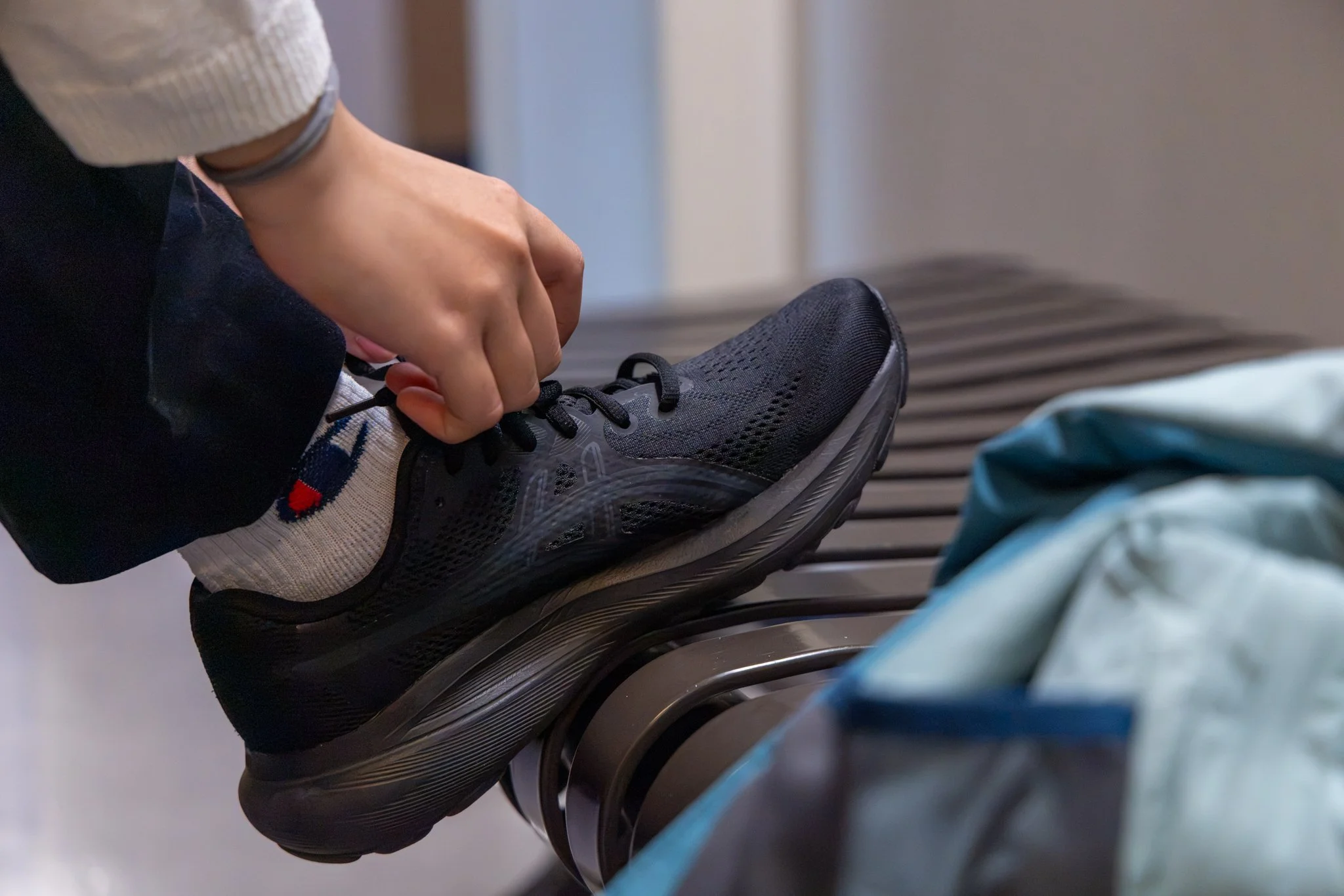
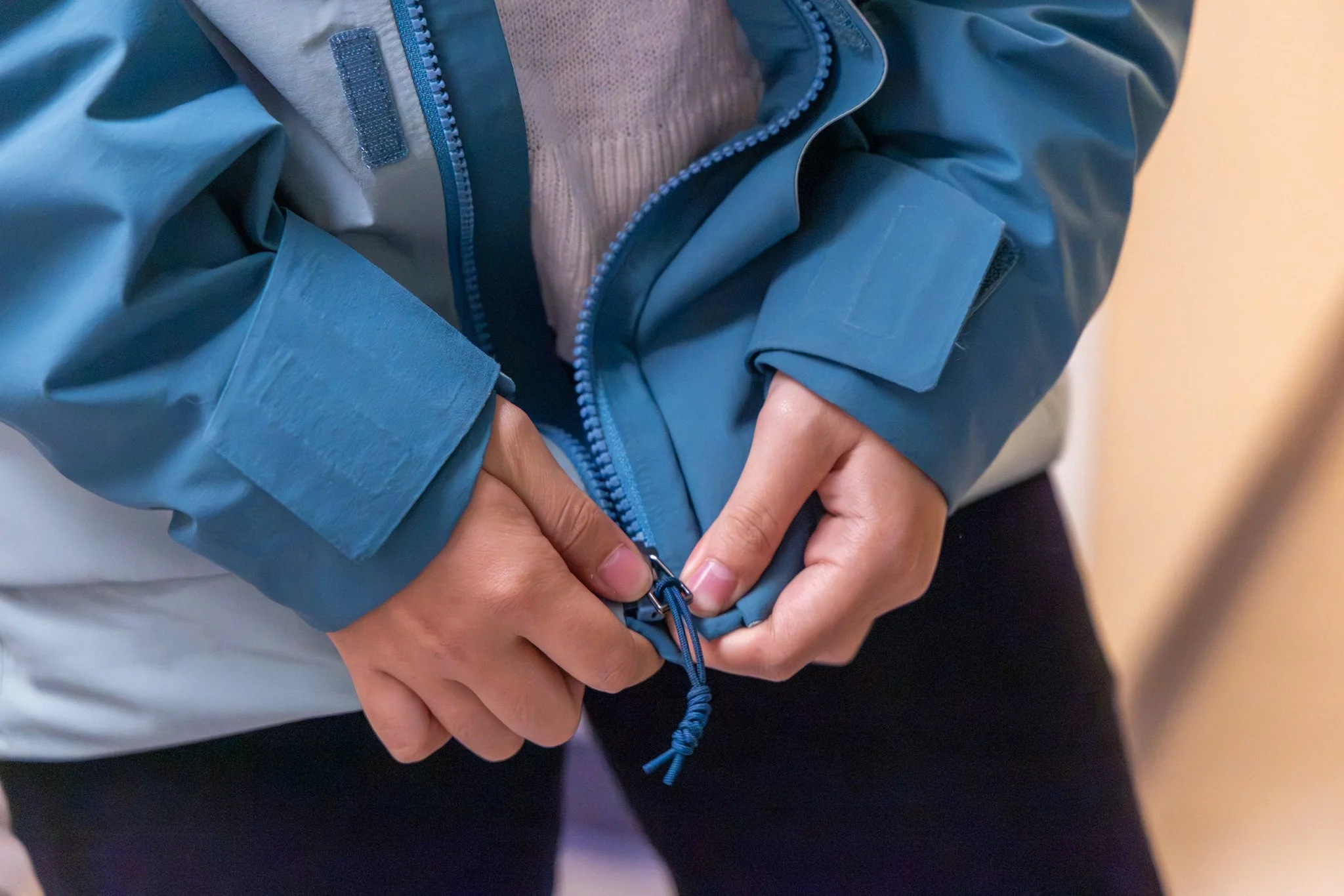
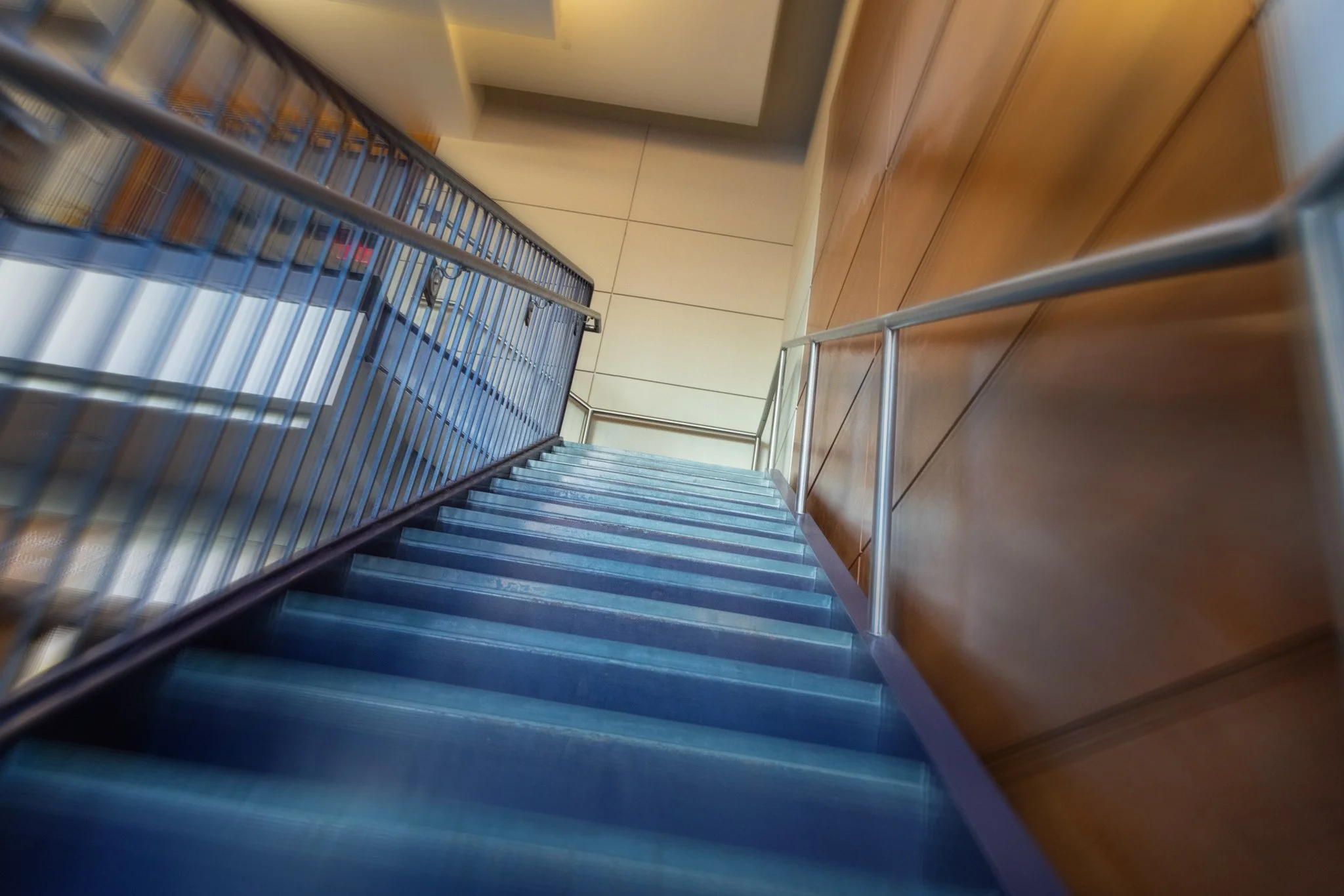
Photos curated by Julia Leavitt (jal569@cornell.edu).
In MIT’s AgeLab, their aging simulation suit, nicknamed AGNES, has been designed to approximate the motor and visual skills, as well as dexterity and strength of a person in their 70s and 80s. The suit also functions as a tool for emotional research, as it simulates the limitations one might experience as they age. With features like weights approximating muscle loss, heavy gloves simulating reduced tactile sensation and hand dexterity, and other simulated impairments, it better allows designers, engineers, and helping professionals to understand the physical and social world of others around them.
Cornell’s own Healthy Aging Lab utilizes a similar aging suit to mimic common physical and sensory changes, as well as emotional strain involved in aging. Ruizeng Wang ‘26 and Jiayi Guo ‘26 developed a “Feel the Years” exhibit in 2026 that immersed visitors in the lived realities many older adults face. The exhibition allowed visitors to explore how environments and attitudes shape the experience of growing older, not just appearances. In an interview with Wang, I asked about how those not in the study of gerontology can use this research in their fields. Wang noted how accessibility is a rising concern for future decades, as the population of Americans over 65 is projected to increase from about 50 million in 2019 to over 100 million by 2060. Use of the aging suits as a tool for accessibility assessment can be utilized in fields like interior design and architecture, with concerns in stairs, mobility and lighting, as well as in biomedical engineering with considerations in medical equipment, such as fMRIs accommodating limited mobility and size of older adults.
As people age, they often want to remain in their residences, but this is only feasible when homes support aging adults' differing physical, cognitive, and social needs. Aging in place refers to the ability to live safely, independently, and comfortably in one’s own home as they age. This concept, however, is limited because aging adults are typically confined to retirement or senior communities, a majority of which focus on physical accessibility. So how can residences be better outfitted to accommodate independence in aging? Accessibility can be found in a wide range of spaces: physically, it was found that open and accessible floor plans allowed for easy mobility and connection to living space. Those spaces with indistinguishable hallways–those that contain similar furniture, color schemes, or wallpapers–could cause spatial disorientation in aging adults. Other physical implementations can help mitigate the higher risk older adults face of experiencing social isolation and loneliness. One seemingly simple solution was having a wide porch at the front of the house, thus facilitating spontaneous interaction and better connection with the surrounding community. Other recent smart technologies allowed for the improvement of all three needs. Home systems like Amazon Echo and Google Nest can provide cognitive assistance by providing cues for medications and daily tasks, as well as by looking up information or calling for help with little need for physical exertion. Similar systems like video doorbells and security systems enhance response to emergency situations by allowing for easy communication with family members, neighbors, and emergency personnel to receive help in a timely manner. While one might think that older adults would be resistant to external aid, they were found to accept smart technology, monitoring and environmental control systems, and other electronic aids when allowed to maintain their independence in daily activity.
Improving accessibility necessitates that researchers take the input of older adults into their design processes. This includes recruiting and engaging those populations and modeling how they themselves will use the new intervention. In the case of the aging suits, one can simulate effectiveness and the physical and emotional alleviation a development might have on an aging individual. Accommodation of the needs of older adults allows for promotion of public health and well-being of an increasingly aging population by minimizing risks and accommodating individuals with ranges of functioning. This maintains their self-identity as active, important, and integrated members of society to ultimately maximize their years of health in older age.
Lucy Haura ’29 is in the College of Human Ecology. She can be reached at lah333@cornell.edu.