Written by Louisa Kirk
Edited by Matthew Lane
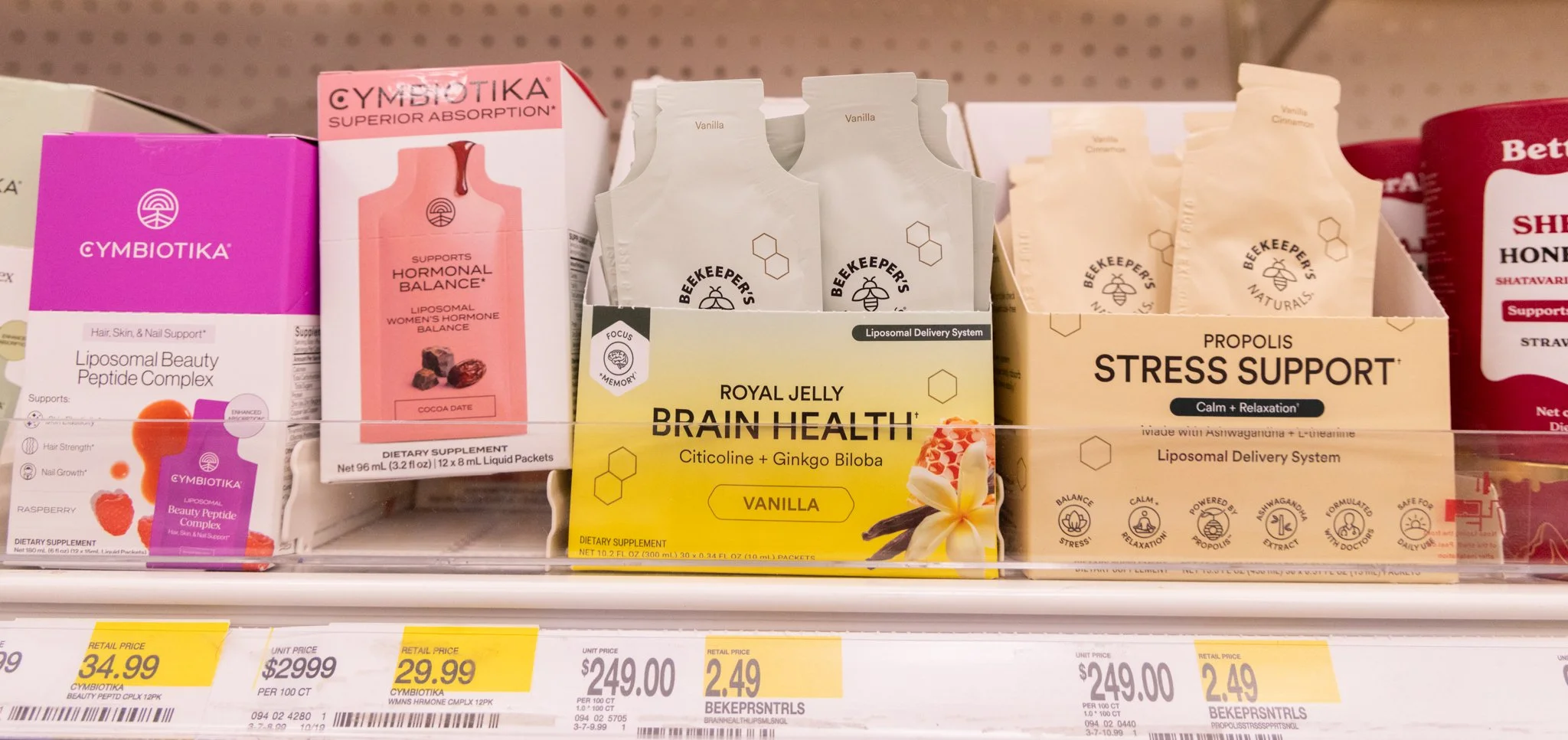
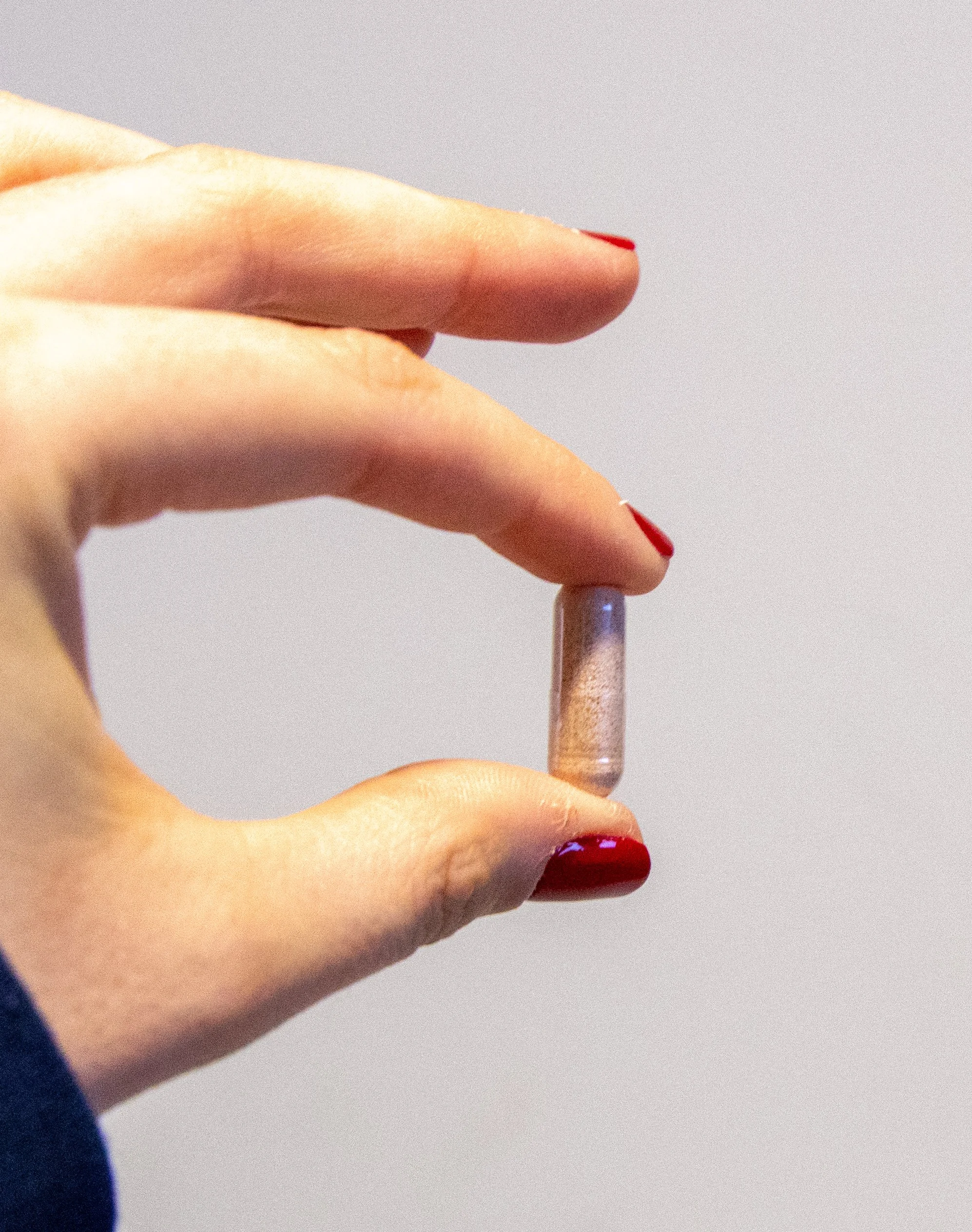
The placebo effect is a scientific phenomenon that happens when a person anticipates that a ‘fake’ intervention, a drug, or procedure, will help them feel better, without knowing that the intervention is fake; although the intervention isn’t scientifically benefiting the patient, they will still feel better [1]. These ‘fake’ interventions are often inactive drugs or sugar pills or saline injections. The placebo response is not exclusive to fabricated interventions, in reality, the effect also comes alongside, and often amplifies real treatments [2].
Why give patients fake drugs? The method of giving one group a placebo and another group the real treatment is used in clinical trials, as scientists try to distinguish the impacts of a drug from the control, or placebo, group [1]. Placebos frequently affect perceived symptoms like pain, fatigue, nausea, and stress related insomnia: reactions that come from the brain. Placebos, however, do not mitigate the symptoms of ailments such as tumors or high cholesterol [5]. On the other side of the placebo effect, negative expectations may cause a nocebo effect and result in negative symptoms through similar mechanisms [2].
According to the Cleveland Clinic, exactly what goes on in the brain when experiencing the placebo effect remains a partial mystery [4]. Placebo responses do, however, involve psychological mechanisms such as expectation and classical conditioning [2]. In terms of classical conditioning, previous and repeated experiences can condition the brain into feeling natural relief. This is similar to Pavlovian conditioning, when repeated associations train the brain to respond to cues; here, repeated treatment actions can make the brain associate the act of taking a pill with relief. When treatment repeatedly leads to pain relief the action of taking it becomes associated with relief: regardless of what the drug is chemically doing to your brain [2, 4]. Additionally, expectations surrounding one’s perception and belief of what the treatment will
do will drive the effect. This can look like personal research, conversations with healthcare professionals, or even advertisements [2]. A healthy patient provider relationship and treatment environment can shape placebo responses [1]. A provider who shows confidence in a treatment can strengthen a patient’s expectation that the treatment will work. Placebo responses have been associated with release of neurotransmitters such as endorphins and dopamine. Brain regions that influence mood, emotional responses, and self awareness show higher activity when the brain is producing placebo responses. In an fMRI study of people with chronic knee osteoarthritis pain, participants who experienced the placebo effect for their pain relief showed greater activity in the middle frontal gyrus [5]. Biological pathways related to the placebo effect may also involve opioid, dopamine, serotonin, and endocannabinoid systems [2].

Photos taken by Julia Leavitt (jal569@cornell.edu).
As it turns out, the placebo effect may not be limited to taking fake pills in clinical trials: there is evidence that taking advantage of the psychology of expectation and mind body conditioning could produce positive placebo effects. The ‘ritual’ around treatment itself can become part of that response. In a study published in Science Translational Medicine, scientists openly labeled the placebo and yet this still resulted in about 50% of the pain relief effect of the real drug. This suggests that just the action of performing a familiar ritual of taking medicine may trigger learned expectations of pain relief [5]. Those expectations may then activate some of the same neurotransmitter and biological pathways involved in placebo responses, meaning the ritual is connected to a real physiological response rather than just the act of swallowing a pill.
In addition, repeated actions further reinforce conditioning: if the brain often connects actions with positive feelings, action itself becomes part of the response [4]. Psychologists at Harvard suggest that healthy rituals like exercise, yoga, meditation, eating well, and quality social time might have some of the same expectation and ritual aspects that are involved in the placebo effect. Repeating these behaviors can strengthen an association between the ritual and the expectation of feeling better and the routine itself can become part of the positive response [5].
The Journal of the American Medical Association reports that recent placebo research supports more ethical ways to use placebo mechanisms in patient care other than simply ‘lying’ to the patient [3]. The traditional method can raise ethical issues because placebos rely on patients believing they are receiving an active treatment when they are not. This can be especially serious when a patient is very sick and a potentially life saving drug is swapped for the inactive version. In “open label” studies, however, patients knowingly take inactive treatments that are considered placebos. In one study of 80 patients with irritable bowel syndrome, patients were told they were receiving sugar pills, yet the placebo group still reported greater symptom improvement than the no treatment group. Similar benefits have been reported for studies involving chronic lower back pain and cancer related fatigue [6].
These findings show that deception is not necessarily required for the placebo effect to work. Expectation, conditioning, rituals, and the relationships doctors build with their patients may all contribute to a positive response. So, rather than trying to “trick” yourself into feeling better, the more realistic way to “placebo your life” might be to build routines that reinforce healthy behaviors [6].
Louisa Kirk ‘30 is in the College of Human Ecology. She can be reached at ljk222@cornell.edu