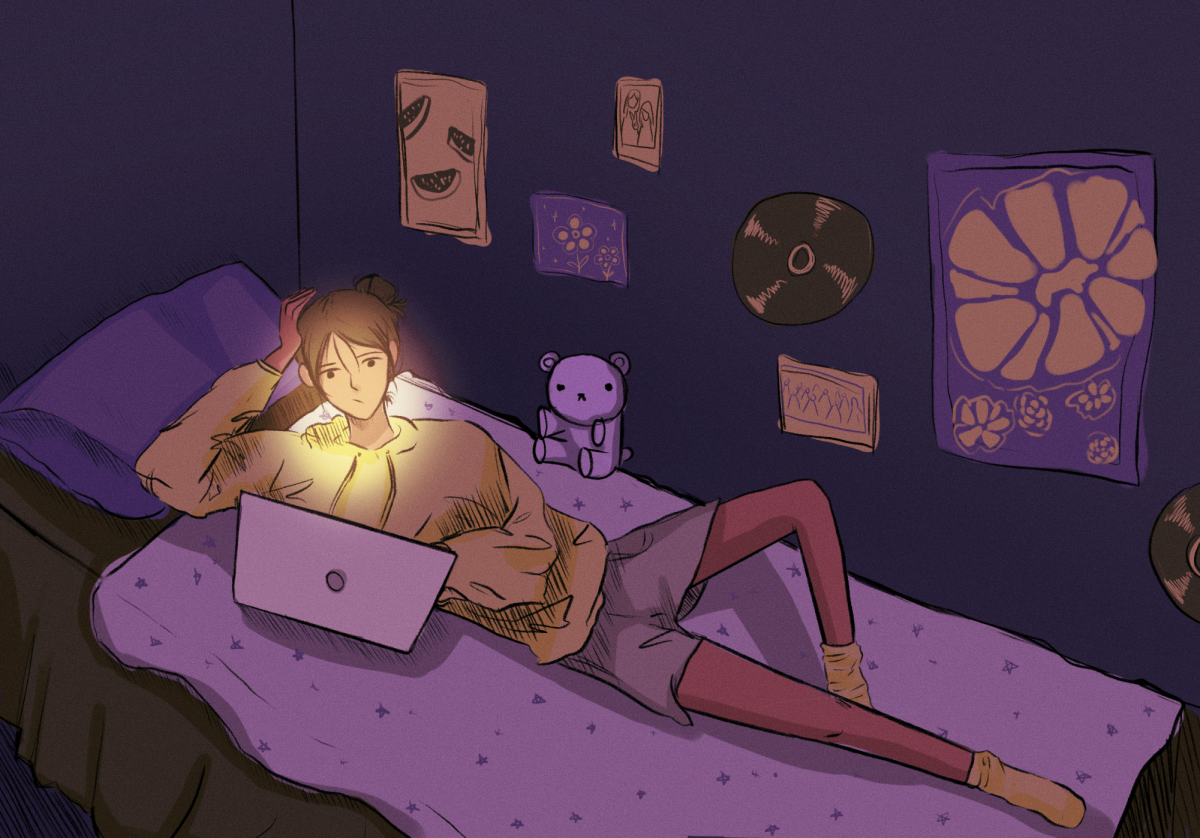
Don't Delete Instagram Yet: The Myth of the Dopamine Detox
Written by Andy Ramnauth
Edited by Raghav Tewari
Ah, the endless scroll through reels, a habit far too many of us indulge in. A term I've been hearing tossed around more than ever, particularly as students scramble to re-engage with academia after a long weekend, is the dopamine detox. The concept was coined by Dr. Cameron Sepah in 2019 notably before the height of the COVID-19 pandemic. The idea is that pleasurable, but potentially unhealthy habits, such as overconsuming social media, binge-watching television, or eating junk food, can lead to a desensitization to dopamine, requiring more and more of the same stimulus to feel satisfied. A dopamine detox, then, involves reducing or fully eliminating these behaviors to reset the brain's sensitivity. While the idea is intuitive and does yield real results, it is right for all the wrong reasons.
The dopamine system of the brain is extraordinarily complex, with extensive inputs and outputs. Dopamine doesn’t decrease and most certainly doesn’t drop to a low level (what one might infer when they hear the term “detox") when an individual fasts from impulsive activities. Rather, dopamine is naturally produced and has many crucial functions in the body. A significant drop would lead to motor problems, depression, and a loss of motivation-instead of the increased motivation. So if dopamine isn’t responsible for many of the benefits associated with reducing impulsive acts, then what is?
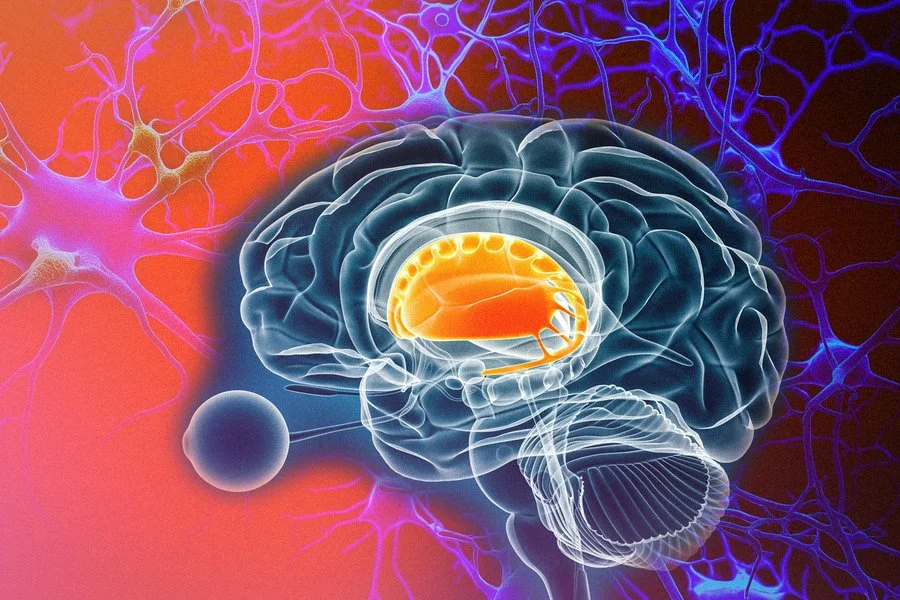
Photo from MIT News. Curated by Andrea Mendez Aguirre (am3362@cornell.edu).
The real explanation is quite simple. Many of the behaviors people try to limit through a dopamine detox are sources of negative mood, poor health, and fatigue. Take for instance spending hours scrolling on reels: if this becomes a habit then you are not only scrolling on reels but you are also engaging in a more sedentary lifestyle, not interacting with others, and while you may not notice it you are overwhelming your brain with information leading to fatigue. By cutting out the behavior, people naturally (often without consciously deciding to) replace it with more constructive ones, such as exercising, socializing, and picking up a new hobby. The result is that mood improves, stress decreases, and productivity follows. So, while dopamine isn’t necessarily responsible for the outcomes of a dopamine detox, are there any actual harms associated with believing in the concept or is it just a matter of scientific accuracy?
As with all trends, some people take it too far. Dr. Dev Desai, an internal medicine physician writing in the Cureus Journal of Medical Science, notes that dopamine detoxing can be overdone, with some socially isolating, engaging in unhealthy strict diets, or abstaining from hobbies. These extremes carry real consequences: strict dieting combined with isolation is associated with significant anxiety and irritability.These aren't one-off cases either. A Medium writer Arpan C discussed how after 6 months of an extreme dopamine detox they felt anxious, struggled to concentrate, and experienced a general sense of depression.
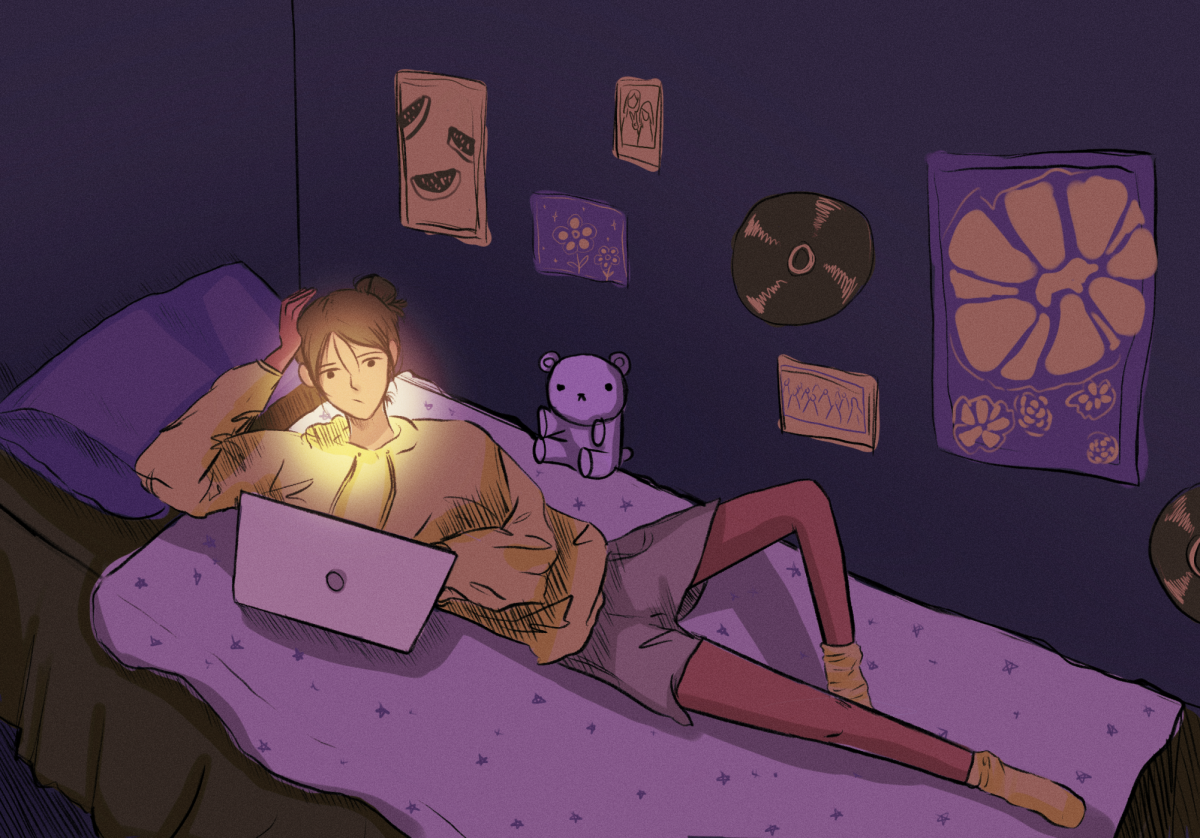
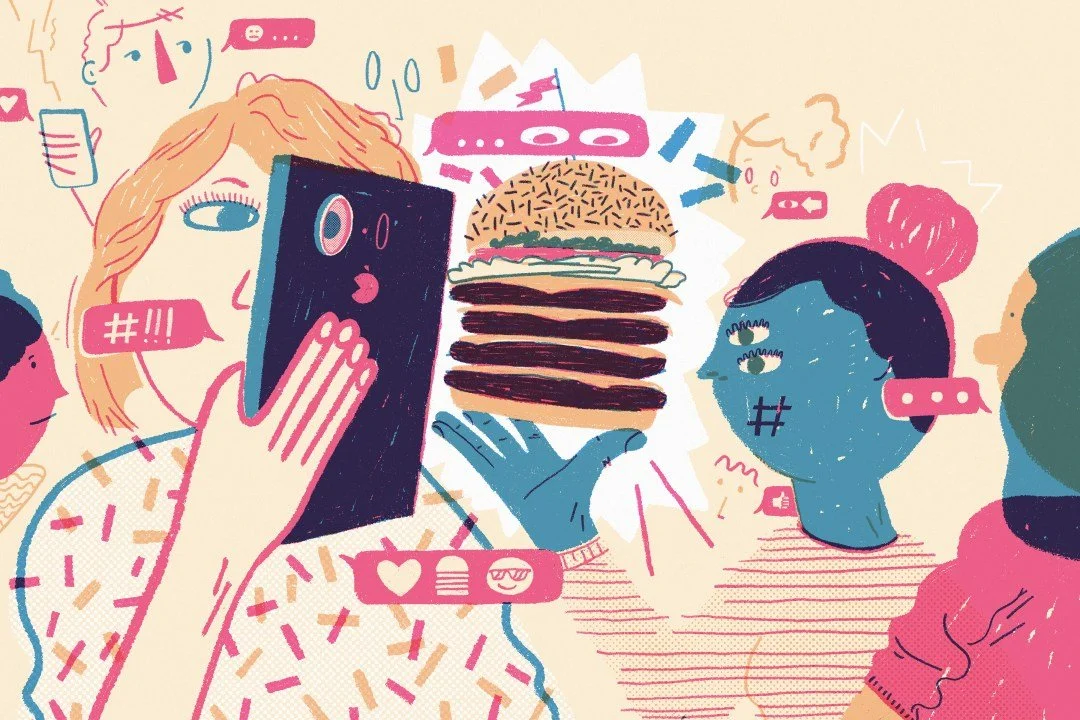
Illustration by Jane Hao (left) and Vance Lump. Curated by Andrea Mendez Aguirre (am3362@cornell.edu).
Ultimately, before you rush to delete Instagram, remember that balance is what actually matters. Social media, television, or whatever habit your parents love to critique can all have a place in your life, as long as it's in moderation. Furthermore, there is strong productive power in using these pleasures as a reward, kept only for days where you finish your daily to-do list or a major project. Perhaps, the dopamine detox is best kept for when things get out of hand or when you inevitably find yourself bed-rotting at 4 a.m. over winter break.
Andy Ramnauth ‘27 is in the College of Agriculture and Life Sciences and can be reached at ar2339@cornell.edu.