Written by Lari Li
Edited by Grace Koch
They came, they saw, they ruined the local ecosystem. Invasive species can be thought of as unwanted dinner guests who show up unannounced, have a feast, and kick everyone else out. Defined as a non-native species that spreads outside its natural habitat or range, they end up causing harm to the environment and even the economy or human health.
How Did They Get There?
The modern concept of invasive species coincides with the modern global trade network. Some invasive species are transported by humans purposefully or accidentally. Mechanisms of accidental transport include vehicle and gear hitchhikers such as insect eggs or plant seeds, firewood transport that spreads pests and tree diseases, or aquaculture escapes that pour into local waterways. There can also be intentional introductions for control. For example, kudzu is an extremely fast-growing vine that was historically promoted for soil erosion control. It worked to a limited extent. The mechanism was that the denseness of the kudzu leaves would shield the soil and bare earth from rain, which would otherwise cause the soil to spread.
The Distastrous Impacts
According to Yale Sustainability, a 2023 report estimated that invasive species caused a $423 billion dollar loss in the global economy. These costs come from management and treatment. Agriculture is the most heavily impacted sector due to destructive insects and plant pathogens that can negatively impact crop yields. Infrastructure is also affected. For example, zebra mussels are an invasive species that clog industrial water pipes, requiring hefty maintenance and repair costs.
How Are They So Successful?
When all the native species are together in an ecosystem, it’s able to be sustained due to the natural balance of interactions. When an invasive species is introduced, the whole ecosystem is thrown off balance. There are many mechanisms that invasive species utilize for high success rates. First, they lack natural predators that would otherwise keep their numbers in check. They can also reproduce a lot more rapidly than native species. By reproducing rapidly and lacking natural predators, these numbers also allow them to take up more resources such as sunlight, water, and nutrients compared to the native species in the ecosystem. For example, the aforementioned kudzu vine up to a foot per day in optimal conditions. Kudzu expands rapidly through nodes that can take root whenever it comes into contact with moist soil. Finally, some can change the environment. By blocking sunlight or changing the soil chemistry, it allows for the rapidly reproducing invasive species to truly outcompete and outnumber the native species.
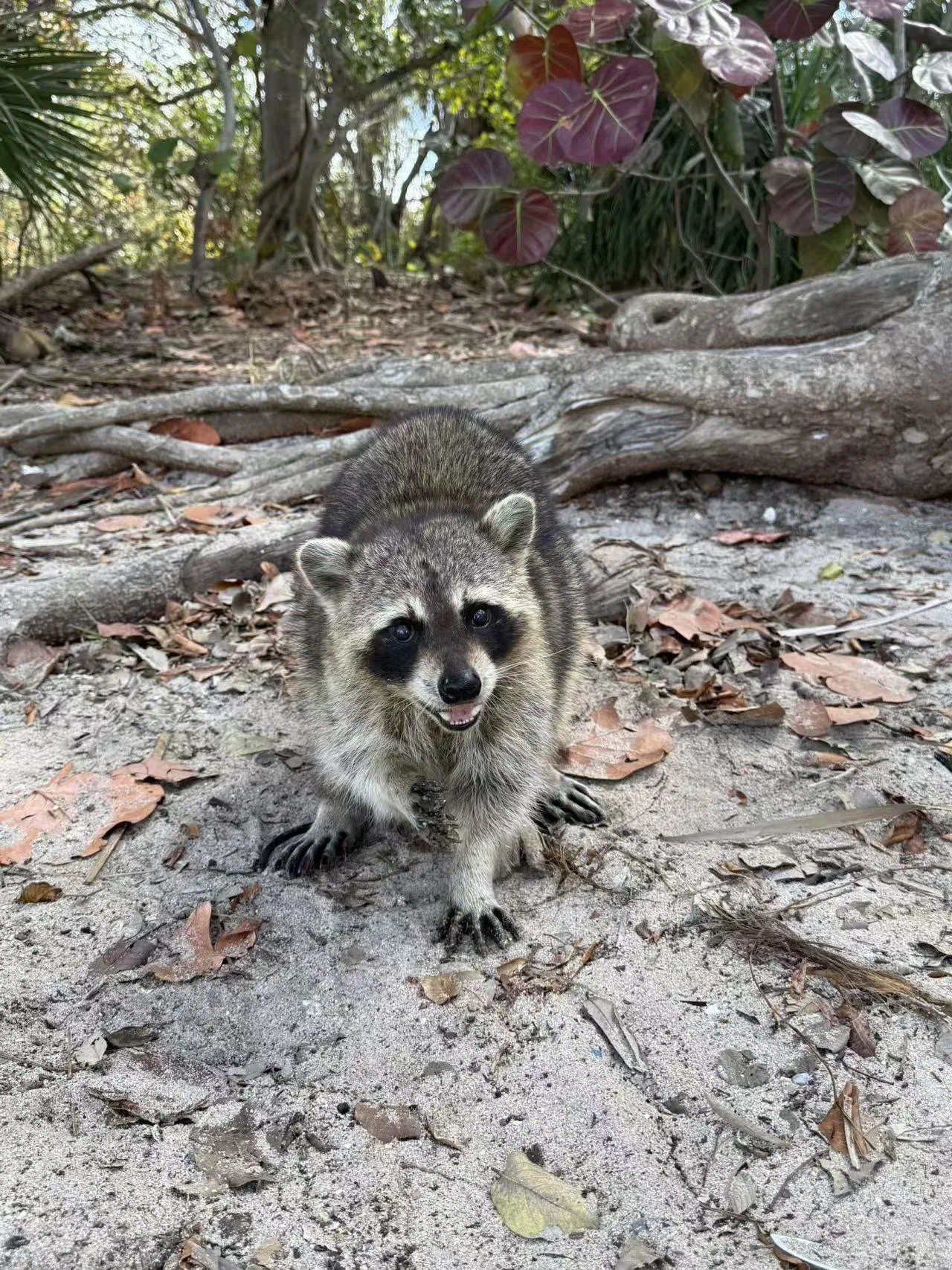
Control And Containment of Invasive Species
The most important part of effectively and efficiently controlling invasive species is to identify and handle the problem while the onset is still early. When a species has spread and truly established itself in an ecosystem, it would require intensive labor, costs, and effort. Overall, prevention is a good first step. A way to combat aquaculture escape at sea that ships utilize is by exchanging ballast water mid-ocean. This is known to reduce invasive species introductions by around 85%. Overall, by taking preventative measures and being able to handle an invasive species early is the best way to save both time, labor, and cost
(Lari Li ‘30 is in the College of Human Ecology. She can be reached at ll2293@cornell.edu )